

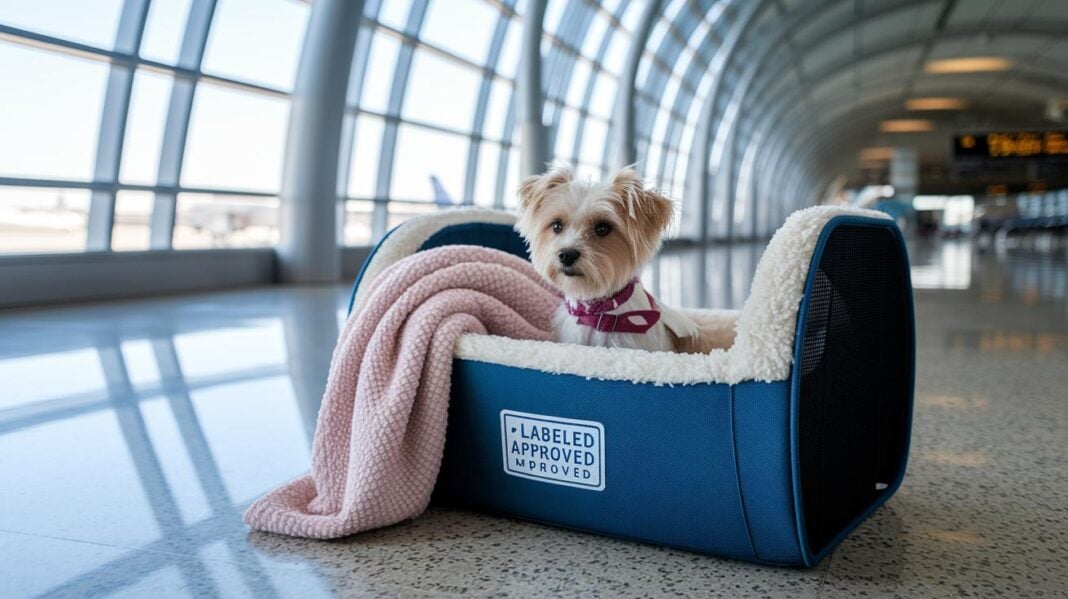

Have you ever wondered what a flight feels like for your pet? A good, airline-approved pet carrier can turn a stressful trip into a calm journey. These carriers give your pet enough room to stand, turn, and lie down, much like relaxing in a sunny spot. Choosing one that meets strict safety and size rules helps make the trip smoother and safer for both you and your furry friend.
airline approved pet carrier: Comfy, Stress-free Flights
Airline-approved pet carriers give your pet enough room to stand, turn, and lie down comfortably. They should have at least 2–3 inches (about 5–7.5 cm) of space above your pet's head. This extra room helps keep your pet calm and prevents it from feeling cramped. Picture your cat happily stretching out just like on a sunny window sill.
In-cabin carriers need to fit snugly under the seat. Most airlines allow one pet per traveler when the carrier meets size rules. Always pick a carrier that is approved for air travel instead of a makeshift box or unapproved tote. Certified containers follow safety guidelines and are built to keep your pet safe during the flight.
It’s a smart idea to get the carrier 4–6 weeks before you travel. This gives your pet time to get used to its new space. A familiar carrier can ease anxiety before and during the flight.
Here's a surprising fact: before boarding, your pet might hesitate until it’s had time to explore and relax in its carrier. Think of it like a child who needs a favorite blanket to feel at home.
Key Features and Airline Standards for Pet Carriers
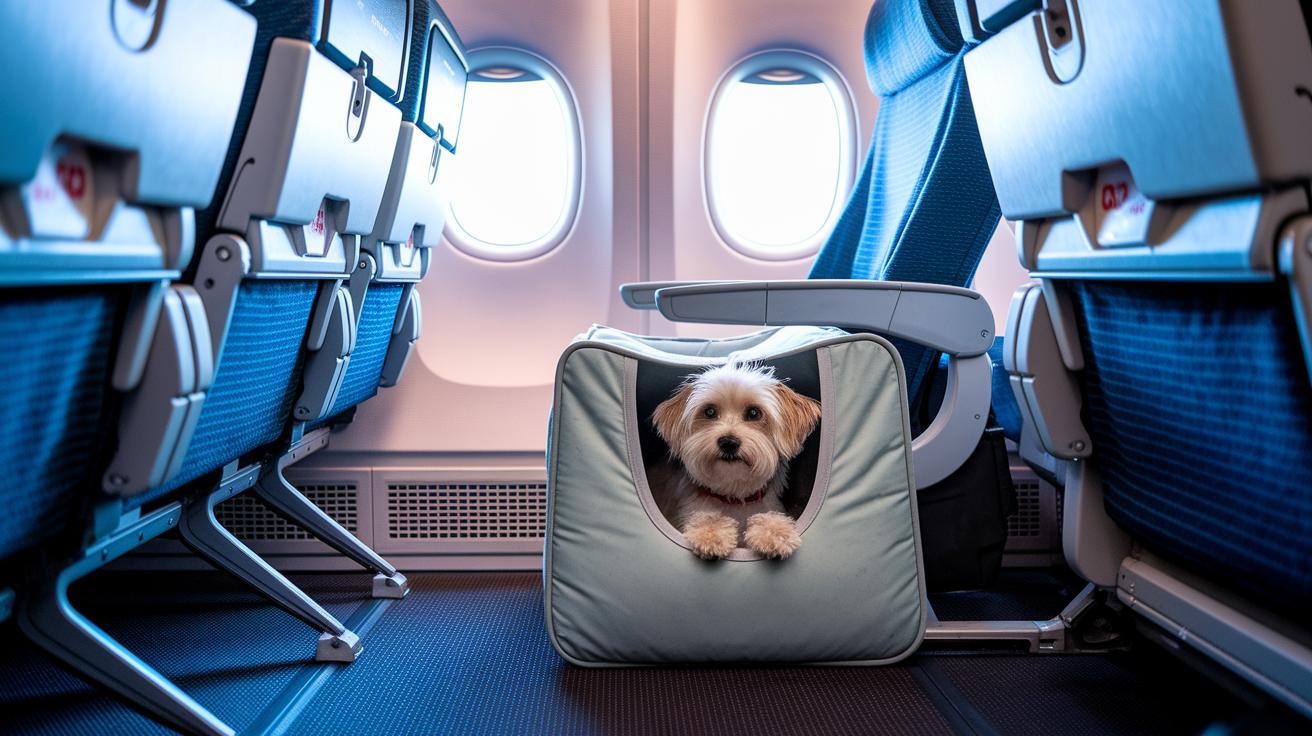
Airline-approved pet carriers must give your pet enough room, fresh air, and safety features to meet airline and IATA guidelines. Carriers need to allow your pet to stand, turn, and lie down comfortably while staying near your seat. A common size for under-seat carriers is about 18 inches long, 11 inches wide, and 11 inches tall. This size gives your pet enough room for small movements and meets the airline seating rules.
Good ventilation is a must too. IATA guidelines require at least 16% airflow (openings that let in fresh air). For in-cabin travel, most pet parents choose soft-sided carriers because they are light and fit easily under the seat. These often feature mesh on three sides for extra airflow. For cargo travel, kennels need mesh on all four sides to follow the stricter rules. The carrier material should be tough enough to hold its shape yet soft enough to be cozy and reduce stress for your pet.
Safety is important as well. Some carriers, like the CPS-certified Sleepypod Air, have passed crash tests to show they protect your pet during rough travel conditions.
| Feature | Requirement | Recommended Spec |
|---|---|---|
| Dimensions | Under-seat size limit | Up to 18″ L × 11″ W × 11″ H |
| Ventilation | Minimum 16% airflow | Mesh on three (in-cabin) or four (cargo) sides |
| Material | Lightweight and durable | Soft-sided with reinforced structure |
| Certification | Crash-tested for safety | CPS-certified (e.g., Sleepypod Air) |
Using these standards will help ensure a safe, comfy, and stress-free flight for both you and your pet.
Soft-Sided vs Hard-Sided Airline Approved Pet Carriers
Soft-sided pet carriers are a popular choice for in-cabin travel because they are light and create a snug space for your pet. Their soft fabric gives a gentle, cozy feeling with mesh on at least three sides so air flows nicely. Just keep in mind, these carriers can sometimes collapse when pushed and
Top Airline Approved Pet Carriers on the Market
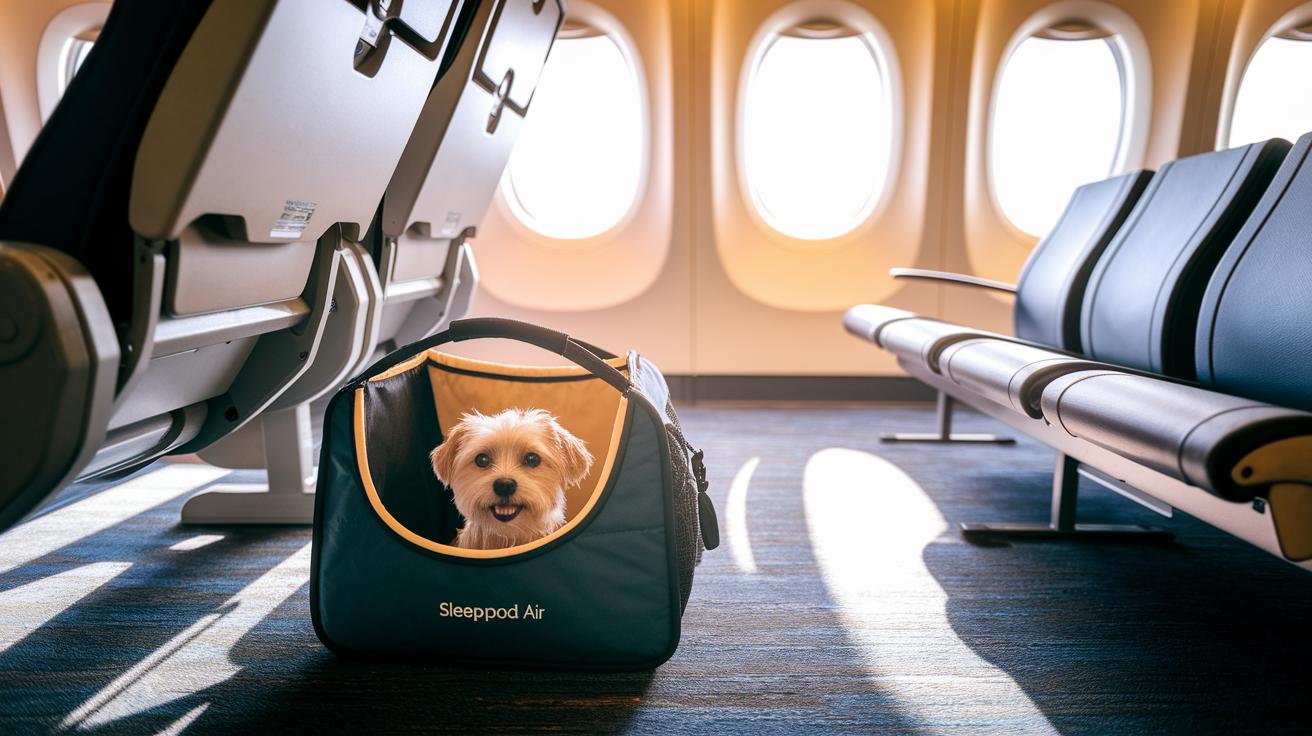
Sleepypod Air (Best Overall)
Sleepypod Air earns top marks for its strong safety tests and comfy interior. It fits neatly under the seat while giving your pet enough room to move. Experts have tested it and confirmed that it meets strict safety standards. Think of it as a little luxury suite that keeps your pet both secure and cozy while flying.
Expandable Carrier Pick
This carrier features smart panels that expand to give extra space when needed. Its design meets airline size rules and lets your pet stretch out comfortably. It’s a hit with frequent flyers who want extra room without any hassle.
Budget-Friendly Option
If you’re looking to save a few bucks, this carrier offers a great mix of affordability and reliable build quality. It meets airline requirements and stands up well over time. While it might not have all the bells and whistles of pricier models, it covers the essentials for your pet’s safety and comfort.
Stylish Design Carrier
This carrier catches the eye with its modern look and easy-to-clean surfaces. Its sleek design is perfect for pet parents who care about both style and practicality. The soft interior helps your pet relax during long trips, making every journey more comfortable.
Backpack Style Carrier
Designed for pet owners on the go, this backpack-style carrier makes traveling easy. It features breathable mesh panels for good ventilation and a sturdy design that safely supports your pet’s weight. It’s ideal for busy days at the airport when you need to carry your pet through crowded terminals.
Choosing the Right Carrier Size and Style for Your Pet
First, measure your pet carefully. Measure from the tip of the nose to the base of the tail and note the height from the floor to the top of the ears. This helps you imagine your pet stretching out comfortably in the carrier.
Airlines require that the carrier fits under the seat. Make sure your chosen crate follows these rules. If your pet stands up and hits the top, the carrier may be too small. For example, French Bulldogs (weighing about 9 to 14 kg or 20 to 30 pounds) can have trouble because of their short noses and often are not allowed in cargo. Instead, pick an in-cabin carrier that meets airline standards.
For larger dogs over about 9 to 11 kg (20 to 25 pounds), check with your airline about cargo options. Some regional flights, like JSX, offer semi-private options that might be better for bigger pets. Taking the time to plan means your pet will have room to stand, turn, and lie down, making your flight as calm and comfortable as possible.
Preparing Your Pet and Carrier for Flight
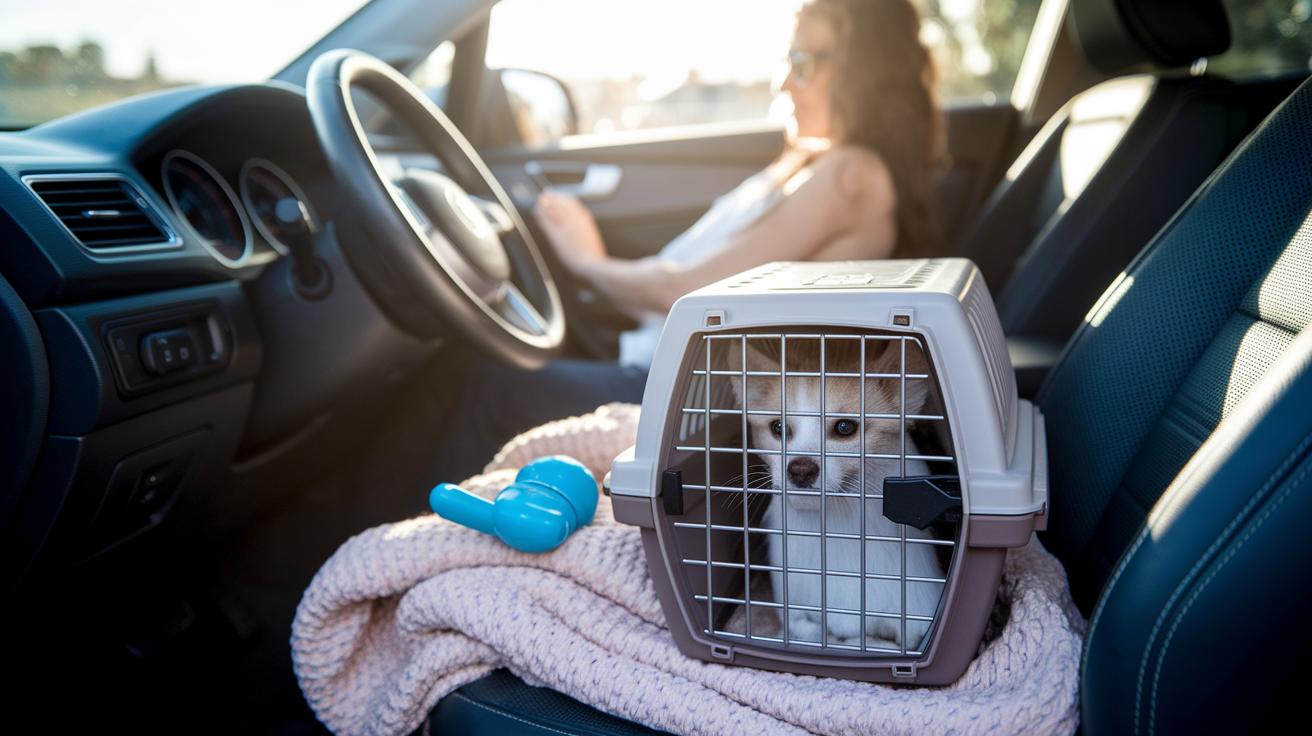
Getting ready for your pet's flight means planning ahead. Start by letting your pet explore the carrier a few weeks before you travel. This helps them feel more at ease when it’s time to fly. Make the carrier a cozy spot by adding a favorite treat, toy, or blanket.
Before you head to the airport, secure the carrier in your car as the maker recommends or by placing it safely behind the front seat. This keeps your pet secure and gives them a feel for the small, snug space they’ll have on the plane. Try a short drive with the carrier to help your pet get used to moving in a secured space.
Talk with your veterinarian about travel tips for pets and get a quick health check before you set off. This simple step can help spot any issues before they become a problem. A little praise and a couple of treats can go a long way in making your pet feel safe and happy with the carrier.
- Let your pet explore the carrier several weeks ahead.
- Secure the carrier in your car following the manufacturer’s guide.
- Consult your vet for a pre-flight check-up.
- Use treats and toys to build a positive link with the carrier.
Frequently Asked Questions About Airline Approved Pet Carriers
Airline approved pet carriers follow clear rules to keep your pet safe and comfy during flights. Many pet parents wonder about the costs, feeding routines, and signs that show their pet might be stressed during travel. One common worry is fees. For domestic flights, in-cabin fees are usually about $150 one-way, while cargo transport tends to cost around $300. For international travel, fees can be much higher.
Feeding and bathroom breaks are also handled with care. Pets get only a little food and water before boarding, and airlines keep stops to a minimum to prevent accidents. That’s why it’s important to plan ahead.
Watch for signs of distress. If your pet starts panting heavily or seems restless, it may be stressed. In those moments, using vet-approved calming methods can really help.
-
What are the typical in-cabin fees for pet carriers?
In-cabin fees are typically around $150 one-way on domestic flights. -
How much does cargo transport usually cost?
Cargo transport usually costs about $300 domestically, and international prices can be much higher. -
Should pets have access to food or water during flights?
It’s best to offer only a small amount of food and water before the flight to avoid mid-air accidents. -
What signs indicate that my pet might be stressed during the flight?
Look for signs like heavy panting and restlessness. -
Are there recommended methods to calm a stressed pet?
Yes, using vet-approved calming methods can help ease your pet’s anxiety. -
How can I best prepare my pet for the flight?
Get your pet used to its carrier well before travel and talk to your veterinarian for extra tips.
Keep these tips in mind, and you’ll help ensure a safe and calm flight for your furry friend.
Final Words
In the action, the article broke down what makes an airline approved pet carrier acceptable for flight. It explained how to measure your pet, the importance of fitting under the seat, and key differences between soft-sided and hard-sided models. Plus, we walked through top carriers and useful travel tips to keep your pet comfortable. The guidance helps you choose an airline approved pet carrier that meets guidelines and keeps your pet safe. Enjoy a smoother travel experience and keep your furry friend happy on board.
FAQ
How do you know if a pet carrier is airline approved?
A pet carrier is airline approved if it lets your pet stand, turn, and lie down comfortably, meets under-seat limits, and carries a certification proving it meets travel standards.
What is the recommended size for an airline approved pet carrier?
The recommended size is typically up to 18″ L × 11″ W × 11″ H with 2–3 inches extra clearance to let your pet move freely.
Which airlines allow pets as carry-ons and what are their carrier requirements, such as for Delta?
Major airlines permit one pet in a carrier that fits under the seat. For Delta, carriers must meet specific size and safety specs to qualify as carry-ons.
What types of pet carriers are available, including those with wheels, cargo designs, and options for larger pets like a 30lb dog?
Pet carriers come in various styles. Options include in-cabin models with wheels, cargo-approved designs, and larger carriers crafted to accommodate bigger pets safely.
What is considered the best airline approved pet carrier and how do I choose one?
The best carrier balances safety certification, comfort, and proper under-seat fit. Top reviews often highlight models like the Sleepypod Air for overall quality and reliability.
What features make an airline approved pet carrier for cats effective?
A pet carrier for cats should offer secure closures, plenty of ventilation through mesh panels, and enough space for resting, ensuring a calm and safe travel experience.