



Have you ever noticed how one small sound can light up your dog's world? Imagine a tiny click that sparks excitement and builds trust every time your pup does something right.
A dog clicker is a simple training tool that helps your pet understand exactly when they've done a good job. It makes training fun and clear by giving your dog instant feedback.
In this article, you'll find out how this little device can turn training into a joyful, effective experience. We'll also share tips on picking the perfect clicker to suit your dog's needs. Get ready to boost your training game with a tool that makes every sound count!
Dog Clicker Basics and Buying Guide: How to Choose and Use a Clicker
A dog clicker is a small tool that makes a sharp sound when your dog does something right. When you use it with a treat, kind words, or a pat, it shows your pet they did a good job. Try clicking right when your dog sits to create a clear link between the sound and the reward.
Clicker training works best when you use it the same way every time. Your dog soon learns a click means a treat is coming, which builds trust and excitement. Once your dog reliably follows one command, add new ones slowly. If your dog makes a mistake, simply don’t click or give a treat and try again, no punishment is needed.
Clickers come in many types so you can pick one that suits your dog's ears. Some clickers are loud, while others make a softer sound that is better for noise-sensitive dogs. You can also choose remote or electronic clickers when you need to train from a distance, like in the park.
When buying a clicker, think about these features:
| Feature | Why It Matters |
|---|---|
| Simple design and good grip | Makes training easy for you |
| Sound level that suits your dog | Fits your pet’s hearing needs |
| Durability | Lasts through many training sessions |
This guide helps you choose the best clicker for your training style. Remember, clicking at the right moment with a quick reward makes training fun and effective for your pet.
How Dog Clicker Training Works: Science and Strategy

When you use a clicker, you make a short, clear sound right when your dog does something you like. This sound tells your pup that he just did a great job. For example, if you’re teaching him to sit, the click happens as soon as his tail starts moving down. Then, a tasty treat or a gentle pet follows soon after.
Studies show dogs tend to learn faster with a clicker. That little sound builds excitement, so your dog quickly understands that something good is coming his way.
Expert trainers say it’s important to be consistent. If you deliver the treat immediately after the click, your dog will clearly link the behavior with the reward. This quick match helps your dog pick up commands faster and remember them longer.
Research and expert advice both point to one key thing: timing. One trainer explained, "A well-timed click is like tossing a perfect ball, it always lands exactly where it's meant to." This proven method turns training sessions into fun, rewarding experiences, showing just how powerful a simple click can be.
Dog Clicker Sparks Joyful Dog Training
A dog clicker is a fun tool that helps your pet learn with clear rewards. The click sound tells your dog that a treat is coming. When you connect the clicker with a tasty reward, your dog builds confidence and learns new commands quickly. Short, regular practice sessions at home help your dog remember that sound means something good is on the way.
Follow these simple steps:
- Tune your clicker: Click and give a treat over and over. This teaches your dog that the sound means a reward. It might take about 45 minutes at first for the connection to stick.
- Start with a basic command: For example, say "sit" and click when your dog sits, then offer a treat.
- Add more commands: Slowly add new cues. With practice, your dog can learn up to about 120 commands.
- Move to fun tricks: Once basic commands are firm, try tricks like a high-five or a wave. Keep these sessions brief.
- Replace the click: When your dog reliably follows commands, you can switch from the click sound to simple verbal praise.
Practice often, and enjoy watching your pet learn and grow!
Common Dog Clicker Mistakes and Advanced Training Tips
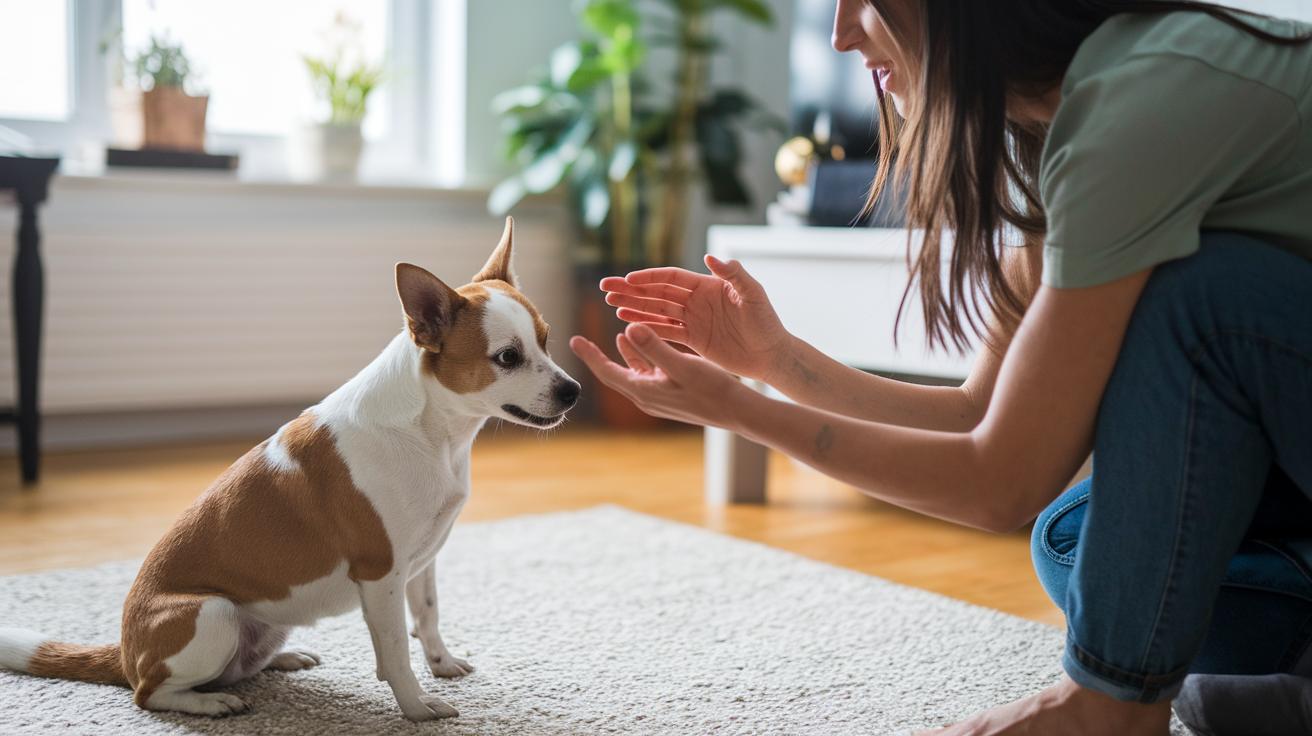
Clicker training can work wonders when you use it properly. The click sound should come exactly when your dog performs the trick you want. Clicking too early or too late makes it hard for your dog to understand what is being rewarded. Also, try not to click when your dog’s behavior isn’t quite right or when rewards change from time to time. If your dog misses a command, simply take a breath and try again, no punishment or forcing is needed.
Here are some common pitfalls to avoid:
- Clicking at the wrong moment, which muddles the clear message of the click.
- Relying only on the click sound without giving clear behavior cues.
- Using punishment when the command isn’t met, which can hurt your dog’s trust.
For more advanced training, try these tips:
- Use tasty, high-value treats (like a small piece of chicken or a favorite biscuit) especially if your dog gets distracted easily. This strengthens the link between the click and the reward.
- Change where you click during sessions so your dog doesn’t expect the same sound in one spot every time.
- Adjust your training to meet special needs, such as using visual signals or vibration devices if you’re training a deaf dog, or handling issues like separation anxiety.
Keep your training sessions short and focused. Track your progress and you’ll soon see your dog responding better to the clicker over time.
Comparing Top Dog Clicker Models: Features and Specifications
When picking your clicker, think about what features will help both you and your dog. Different clickers work best for different needs. Some are great for teaching puppies basic tricks, while quieter ones suit dogs that are easily startled. Clickers make sounds from about 90 to 120 decibels (a unit to measure loudness), and you can find them for anywhere between $5 and $25. They are made with tough materials like ABS plastic and metal parts, so they can handle everyday training.
Below is a comparison table that shows key details for four popular models:
| Model | Sound Type | Price Range | Best For |
|---|---|---|---|
| Standard Plastic Clicker | Moderate click sound (about 100 dB) | $5-$10 | Basic training |
| Ergonomic Wrist-Band Clicker | Clear click sound | $10-$15 | Puppies |
| Silent “Pen” Clicker | Softer click (around 90 dB) | $8-$20 | Noise-sensitive dogs |
| Electronic Remote Clicker | Loud and precise signal (up to 120 dB) | $15-$25 | Off-leash training |
Each clicker is built with different training styles in mind. Consider your dog's personality and your training goals to choose the one that fits best.
Dog Clicker Reviews, Pricing, and Purchase Resources

Many pet owners say these clickers are very easy to use. The clear sound helps dogs learn quickly without confusion. Most clickers cost between $7 and $20, making them a budget-friendly tool for training your dog.
Trainers have noticed improvements in how dogs walk on a loose leash and feel less anxious when left alone. One trainer shared, "After switching to a reliable clicker system, my once distracted dogs now follow commands with confidence." This kind of feedback shows that having a clear sound marker can really boost training sessions.
Here are some top brands that pet owners trust:
- Brand A: Delivers great performance and consistent results.
- Brand B: Offers a quiet model, which is ideal for noise-sensitive dogs.
- Brand C: Comes with remote features that work well for off-leash training.
Many sellers also offer bundle deals that include a clicker, a treat pouch, and an instructional guide. Plus, you can find online courses or books that give step-by-step tips for new puppy trainers.
You can pick up these clickers at local pet supply stores, training shops, or on online sites like Amazon. A quick tip: Check customer reviews and bundle offers before buying to make sure you choose the best option for a smooth and joyful training experience.
Final Words
In the action, the post explained how a dog clicker works as a positive reinforcement tool. It covered the basics, from the science behind auditory cues to a clear, step-by-step training process. The guide highlighted common mistakes and provided tips on selecting the perfect device for your pet.
Key steps to success include:
• Charge the clicker and link sound to a treat.
• Teach simple commands.
• Expand commands gradually.
• Advance to more challenging behaviors.
• Fade the clicker over time.
Enjoy the journey with your dog clicker and celebrate every small win.
FAQ
What dog clicker resources can I find online and in stores?
The term “dog clicker resources” covers discussions on reddit, dedicated apps, Amazon listings, official websites, instructional videos, and products available at PetSmart, offering varied options and community-backed tips.
Do dog clickers actually work?
Dog clickers work by marking the precise moment a correct behavior occurs, helping dogs associate the click with an immediate reward. This method speeds up learning and makes training clearer.
How do you use a dog clicker correctly?
Using a dog clicker correctly means clicking the moment your dog performs the desired behavior and then offering a treat right away, establishing a clear link between action and reward.
What are the disadvantages of using a clicker in dog training?
The disadvantages include the need for exact timing, extra equipment, and potential confusion if clicks are inconsistent or if a dog has hearing issues, which may limit effectiveness.
What is the 3 second rule for dogs?
The 3 second rule means you should reward your dog within three seconds of the desired behavior, ensuring a clear connection between that action and the ensuing treat.