

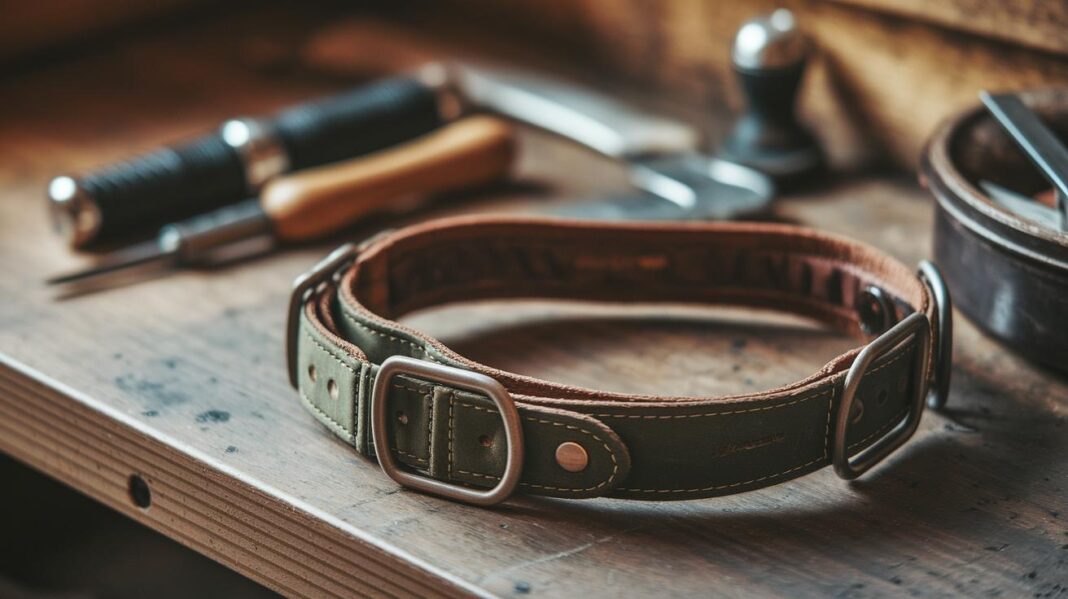

Is your pet’s collar starting to fall apart? Missing routine care can cost more later and leave your furry friend at risk. Keeping your pet’s gear in good shape means safer, happier walks and saves you money. In this post, we share simple tips to spot wear, clean carefully, and store items properly. Follow these steps to avoid sudden mishaps and enjoy many more fun outings with your pet.
Essential Pet Gear Maintenance Routines
Keeping your pet's gear in top shape is essential for safety and fun. When you care for items like collars, leashes, toys, and bedding regularly, you can prevent accidents and enjoy more quality time with your furry friend.
- Inspection: Check your gear once a month for loose clips, frayed material, rust, or any other hardware problems.
- Cleaning: Gently wipe Biothane or nylon items with warm or cold water and a mild detergent (choose the temperature based on the material).
- Drying: Let your pet gear air dry completely after washing to stop mold from forming.
- Storage: Hang items on hooks or keep bedding in a dry place so they do not tangle or wear out quickly.
- Rotation: Use different sets for wet and dry conditions to prevent wearing out one set too fast.
- Minor Repairs: Fix small issues right away, whether it is stitching a tear, tightening a fastener, or replacing a split ring, to help your gear last longer.
Regular care like this makes sure you spot problems early and keeps every walk, play session, and nap as safe and comfortable as possible for your pet.
Cleaning Protocols for Different Pet Gear Materials

Cleaning your pet's gear properly keeps it safe, looking good, and working well. Each material reacts to water, soap, and drying in its own way, so here’s an easy guide to help you clean them right.
Biothane Gear
- Rinse or wipe the gear with warm water and a gentle soap to remove dirt.
- Use a soft cloth to clean the waterproof surface, taking care not to damage the polyester core.
- While cleaning, check any metal parts for rust or looseness.
Nylon Gear
- Before washing, secure all zippers and buckles.
- Use cold water on a gentle cycle with a mild detergent to protect the fabric.
- Let the gear air dry completely to avoid moisture buildup and keep the material strong.
Leather Gear
- Gently clean the surface with a slightly damp cloth and a cleaner made for leather.
- After cleaning, apply a leather conditioner to keep the leather soft and to stop it from cracking.
- Never soak leather. Instead, let it air dry in a shaded spot, away from direct sunlight.
| Material | Cleaning Method | Drying Time | Frequency |
|---|---|---|---|
| Biothane | Rinse or wipe with warm water and mild soap | Air dry quickly | After each use or monthly deep clean |
| Nylon | Cold water gentle cycle with mild detergent | Air dry completely | Weekly or as needed |
| Leather | Clean with a damp cloth and leather cleaner, condition after | Air dry slowly in a shaded area | Monthly, with spot cleaning after heavy use |
Inspecting and Repairing Pet Gear
Start by following the basic tips from the Essential Pet Gear Maintenance Routines guide. For repairs that need more care, use the detailed methods outlined here. Check your pet gear every month in a bright, well-lit spot. Look carefully for fabric tears, loose seams, or metal parts showing rust or cracks. For example, shine a lamp on your pet's harness to spot even a tiny tear or dull area.
Fix small fabric tears with a needle and thread or some fabric glue. If you see a crack in a metal part, use epoxy (a strong adhesive) to bond it or metal polish to remove rust and smooth out sharp edges. Think of mending a small fabric collar by stitching it carefully with matching thread. Also, check split rings and clips, and replace them if needed.
If the damage is too severe or if safety might be compromised, contact the manufacturer or ask a professional for help.
Safe Storage and Organization for Pet Gear

Hang your pet's leashes, collars, and harnesses on strong hooks or a pegboard. This simple trick keeps them untangled and prevents extra wear. A wall organizer made just for these items keeps everything neat and easy to check. For example, waterproof Biothane leashes only need a quick rinse and proper hanging to dry. This step stops dirt and moisture from breaking them down over time.
Keep pet bedding, clothes, and soft toys in a dry, airy spot. Shelves or open boxes work well because air circulates and helps at stopping mold or bad smells. Also, keep these items out of direct sunlight to protect their color and strength. Using mesh bags or storage bins that let air in is a smart way to keep them fresh.
Set aside a special place for a travel set and gear used when wet. Use containers with lids or clearly label shelves to grab the right item fast. This organization not only protects the gear from damage but also makes sure everything is clean and ready whenever your pet is out for a walk or play.
Seasonal Maintenance Tips for Pet Gear
Summer means more outdoor play, which can leave your pet's gear dirty and sticky. Items like nylon and Biothane pick up sweat and mud fast. Rinse them with water and a mild detergent. Before washing, fasten any zippers or buckles to keep them safe. For example, wipe your pet's harness right after a muddy park visit to stop dirt buildup. Also, check the gear often for early signs of sun and heat damage.
In winter, salt and de-icing chemicals can hurt your pet's gear. After each walk, rinse off any salt to avoid rust and weakened materials. Leather items need special care. Use a nearly damp cloth with a cleaner made for leather, and follow up with a conditioner. Also, inspect metal pieces and seams because cold weather can speed up damage.
Building a Maintenance Schedule for Pet Gear
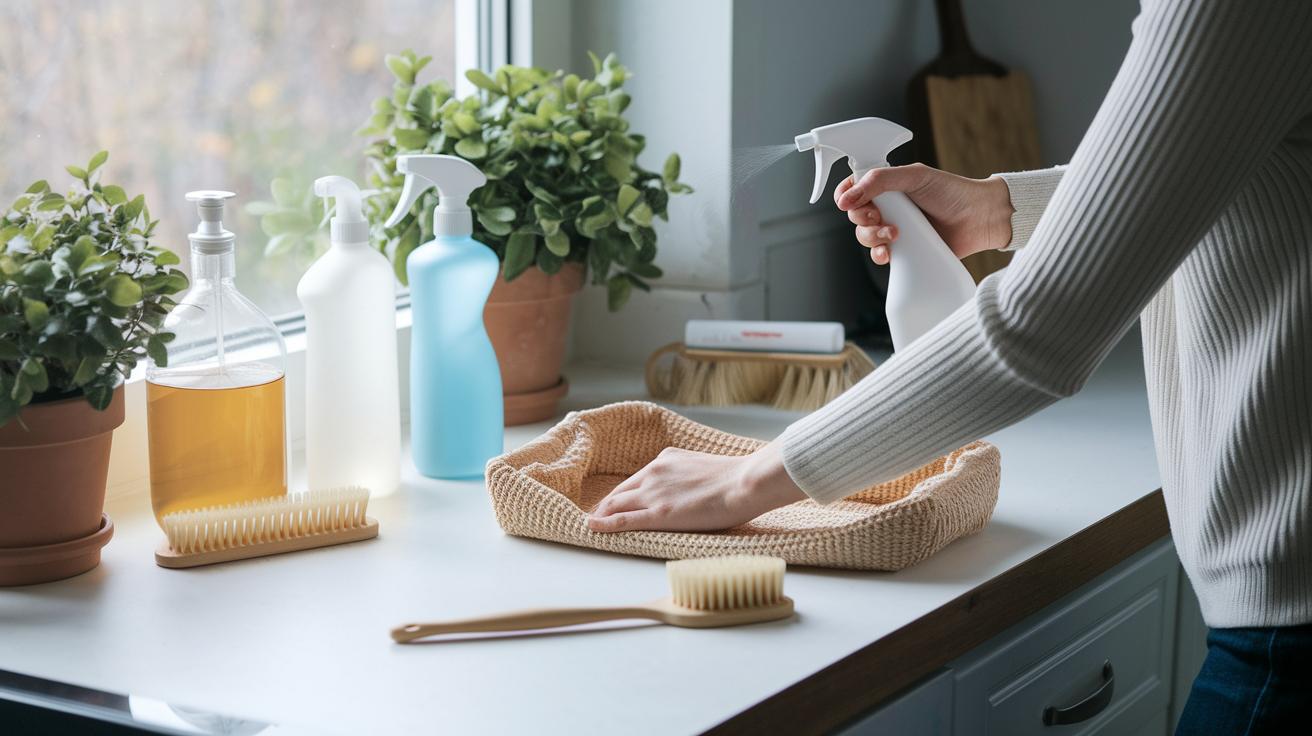
A routine for pet gear care can make the task feel simple and automatic. When you stick to a regular schedule, you catch small problems early, keep items clean and safe, and even save time and money. Think of it as scheduling an appointment to keep your pet comfy and protected.
Every week, give your pet gear a quick clean after heavy use. Rinse off leashes, collars, and harnesses to remove dirt and sweat. For items used outdoors, a fast wash stops bacteria and grime from building up. It’s like brushing your pet’s coat after a fun play session.
Each month, set aside time for a deep clean. Wash nylon parts on a gentle cycle with a mild detergent. For Biothane (a type of synthetic material), use warm water and soap to rinse it. Also, check all clips, buckles, and fasteners for loose parts or rust. This monthly routine can catch issues before they grow.
Every three months, inspect all your pet gear closely. Rotate between your wet and dry sets and keep travel items ready as a backup. Look over every piece carefully to spot any hidden damage. This keeps your pet’s gear safe and dependable.
Knowing When to Replace Your Pet Gear
Your pet’s gear doesn’t last forever. Different materials have their own life spans. For example, a biothane leash will keep up for about 7 to 10 years, a nylon leash usually holds up for 2 to 3 years, and a leather leash might only be good for 1 to 2 years. Even your pet’s name tag isn’t permanent. Engraved tags work well for over 5 years, but printed ones often fade in just 6 to 12 months. Keeping an eye on these items means fewer surprises during your walk out and keeps your buddy safe.
| Signs It’s Time to Replace |
|---|
| Fraying of fabric or rope |
| Cracks or splits in the material |
| Faded or hard-to-read ID tags |
| Loose or broken hardware like clips or rings |
| Changes in your pet’s size or updated contact information |
Final Words
In the action, regular routines like quick inspections, deep cleaning, and proper storage extend the life of pet gear. A mix of material-specific cleaning and timely repairs keeps your pet's accessories safe. Dividing tasks by week, month, and season makes these pet gear maintenance tips easy to follow. Consistent upkeep, rotation of gear sets, and knowing when to replace items help maintain a safe environment for your pet. Keep these steps in mind and enjoy the extra peace of mind every time you care for your pet’s gear.
FAQ
What pet gear maintenance tips do people discuss on Reddit and are considered best practices?
People talk about regular cleaning, checking for wear and tear, spot cleaning items like collars and leashes, and storing gear in cool, dry places. These steps help extend the life of your pet gear.
How do you wash Ruffwear gear like harnesses, boots, and life jackets?
Cleaning Ruffwear gear depends on the item. The harness may be machine-washed on a gentle, cold cycle, while boots often need hand washing. Rinse life jackets under warm water and air-dry thoroughly.
How do you clean a dog carrier?
Cleaning a dog carrier involves removing loose debris, wiping it down with warm water and mild soap, and then air-drying completely to keep it clean and safe for your pet.