

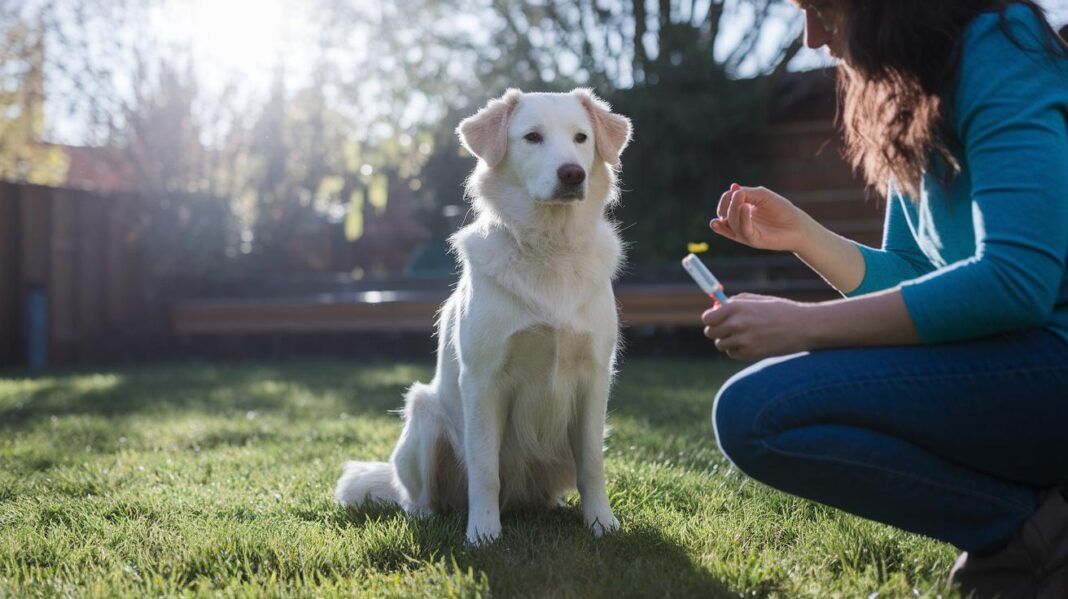

Have you ever seen your dog snap at a stranger? Reactive dog training can help turn that tension into calm, confident behavior. This method works like a simple two-step game. First, your dog learns to spot something that bothers them while staying in a safe place. Then, they look to you for help.
Imagine taking your dog on a walk. Your pup notices a jogger, glances at you, and then calmly continues on its way. With a bit of practice, this approach can help your pet manage stress while rewarding steady behavior. This can make every walk feel more relaxed and enjoyable for you both.
Reactive dog training: Boost Your Canine Calm
Sometimes dogs get overwhelmed and show signs of stress such as barking, lunging, or growling. These reactions often come from fear or frustration. The Engage/Disengage method is a simple two-step game that helps your dog spot a trigger from a safe distance and then turn attention back to you. Picture your dog noticing a jogger, pausing to look at you, and then continuing its walk. This method teaches your pet to manage its feelings and rewards calm behavior.
Keeping the right distance is very important when working with a reactive dog. Keep your pet close enough to see the trigger but far enough to avoid a sudden reaction. If you see signs like barking or lunging, stop the exercise right away. For example, if your dog starts to tense up near a group of walkers, end the session. This quick pause helps prevent bad habits and resets training so your dog can start over calmly.
The goal is to help your dog meet triggers calmly and safely. Use gentle, reward-based training with small steps and low-distraction helpers. Even dogs with a history of reactivity can improve by gradually increasing trigger exposure while staying steady. This approach builds lasting confidence and encourages better overall behavior.
Identifying and Interpreting Triggers in Reactive Dog Training

When dogs act out, it is often because they feel scared or frustrated. They might get upset when they can’t reach something fun or when something seems too big and scary. Watch for small changes in your dog’s body language. This early notice can help you keep things calm before your dog starts reacting.
Your dog might lick its lips, stiffen its body, or fix you with a hard stare. These are clues that your pet could soon start barking or lunging. When you see these signs, try to change the situation so your dog has time to settle down. Using calm spaces and practicing in quiet settings can lower your dog’s stress and build trust. Knowing what triggers your dog can keep both of you safer during everyday outings.
| Example Trigger | Description |
|---|---|
| Fast-approaching dogs or bikers | They come close quickly, which can startle your pet. |
| Joggers or skateboarders | They move fast and may seem unpredictable. |
| Delivery people | The quick noise at the door can upset your dog. |
| Other leashed dogs | Unexpected crossings can make your dog nervous. |
| Children playing | Their sudden movements in a yard might be too much. |
| Loud vehicles or construction | Heavy noise from outside can raise your pet’s stress level. |
| Unfamiliar people near the fence | Their hesitant approach might trigger alarm in your dog. |
Leash Reactivity Solutions and Outdoor Management Strategies
Leash reactivity training helps you guide your dog safely on walks. Start with a comfortable, non-restrictive strap that lets your dog move naturally while you stay in control. If your dog starts to feel anxious, use a quick "emergency u-turn" command to steer clear of a stressful situation. Adjust your grip to keep a firm, gentle hold so your dog doesn’t feel more tense. Clear, friendly cues set a calm tone and help lower sudden reactions when out and about.
Outdoor walks are a great way to build your dog's confidence. Begin with quiet routes in areas that have fewer distractions. As your pet gets more comfortable, slowly try busier paths. Plan your walk to avoid crowded spots and use high-value treats right when your dog stays calm. For example, if your dog remains relaxed when someone passes by, reward them immediately. This gradual exposure and timely praise teaches your dog that calm behavior brings rewards, making every walk safer and more enjoyable.
Desensitization and Counterconditioning in Reactive Dog Training

Begin with short, controlled sessions where you slowly expose your dog to a trigger that is just below the level that normally causes a reaction. This gradual process, known as desensitization, helps your dog become less sensitive over time. At the same time, counterconditioning pairs the trigger with a reward like a treat or praise, turning it into a positive experience. For example, in a game called "Look At That," your dog gets rewarded for calmly noticing the trigger. Programs such as BAT 2.0 use these easy-to-follow steps to help change your dog's emotional reaction bit by bit.
| Technique | Purpose | Example |
|---|---|---|
| Look At That | Encourage calm observation | Your dog sees the trigger and then gets a treat |
| Counterconditioning | Pair trigger with a reward | Give a treat when your dog views the trigger calmly |
| Desensitization | Reduce reactivity gradually | Slow exposure to low-intensity triggers |
| BAT 2.0 | Step-by-step behavior change | Trainer-led sessions using small, repeatable steps |
Keep training sessions short and fun so your dog stays focused and builds confidence. Work through these steps in a calm space and slowly add more challenge as your pet improves. The aim is for your dog to realize that these triggers won’t bring anything bad; instead, they come with treats and praise. This approach helps your pet remain calm even when faced with situations that once felt overwhelming.
Implementing Home-Based Behavior Adjustment Programs
At home, using interactive puzzle toys and scent games can help your dog feel less stressed and more relaxed. These activities let your dog solve small challenges while using their natural sniffing instinct. For example, hide a treat inside a puzzle toy and watch your pet work happily to find it. Not only do these tasks entertain, they also help strengthen your dog's mind.
Keeping a simple daily routine helps your pet learn self-control. Try scheduling play and rest times so your dog knows when to be active and when to relax. After walks or meals, spend a few minutes on quick focus exercises like gentle eye contact drills. These short sessions build trust and reinforce basic commands in a calm, safe environment.
Professional Desensitization Strategies and Training Resources
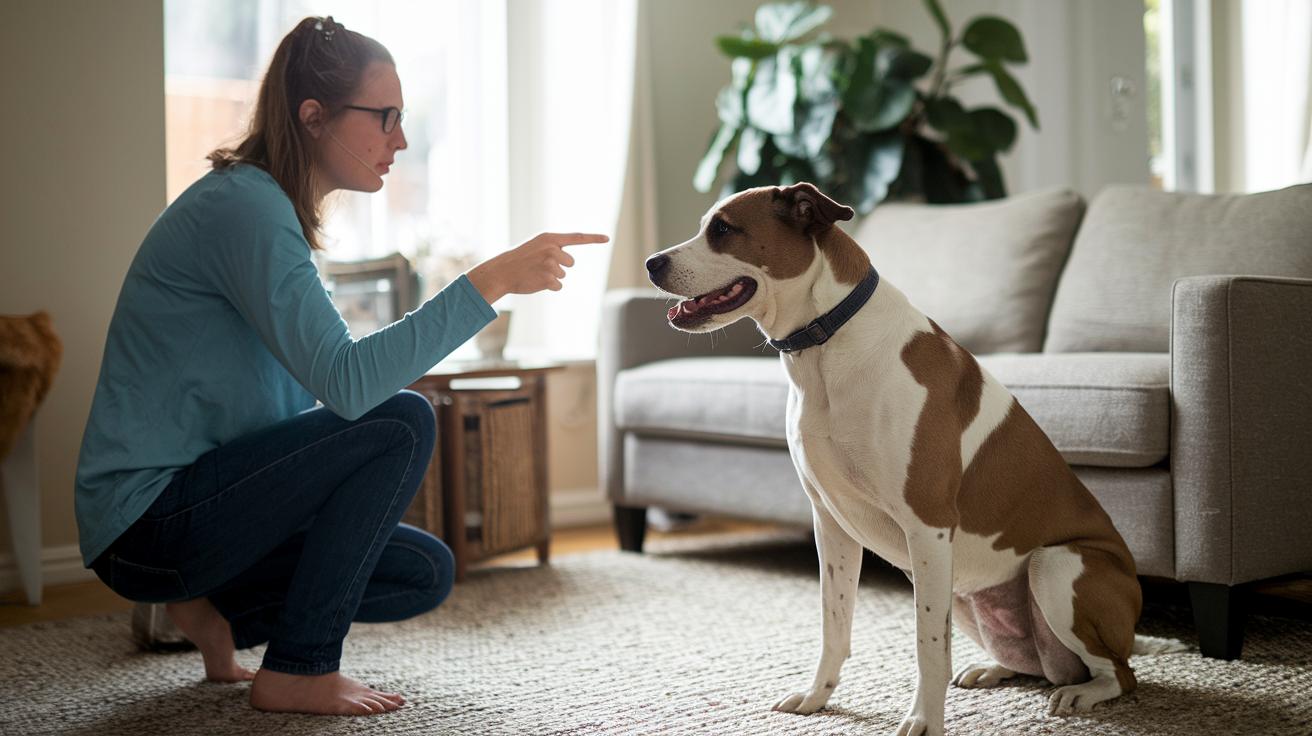
Certified trainers design clear programs that help you manage your dog's reactivity with confidence. These programs cover steps like assessing your dog's early signals, teaching a new response when signs appear (counterconditioning), and using quick cues during emergencies. They offer different formats so you can choose one that fits both your schedule and budget.
Online Reactive Dog Training Courses
Online courses include video lessons and interactive modules that break training into simple, step-by-step instructions. Each lesson focuses on a single skill, such as spotting early warning signs or practicing safe distances. Many of these courses offer affordable pricing along with downloadable guides and progress trackers. For instance, a course might provide several short videos each month for a low fee, making expert advice easy to access from home.
In-Person Behavior Workshops
Local group classes let you watch training techniques in action and try them out under a trainer’s direct supervision. These workshops give you the chance to see live demonstrations and receive immediate feedback. Trainers also offer personalized plans to tackle specific triggers your dog might have. This hands-on setting fosters a team approach between you, your dog, and a professional trainer, making it easier to build lasting calm.
By exploring these expert-led options, you can find the right mix of digital and local support to help your dog steadily progress toward a calmer, happier life.
Monitoring Progress and Achieving Lasting Change in Reactive Dog Training
Keep a simple record of each training session. Write down how far your dog was from the trigger, how strong the reaction was, and what type of reward you used. For example, note that on a walk your dog saw a passerby from 10 feet (3 meters) away, stayed calm, and earned a treat. Set small goals, like getting two calm pass-bys each week, to keep your training focused. A notebook or an app can help you see trends and spot areas needing extra work.
Plan a long-term training routine with small, steady steps and regular review sessions. Gradually increase the challenge only when your dog consistently shows calm behavior. This careful plan builds your dog’s confidence and helps make changes that last.
Final Words
In the action, the guide broke down basic reactive dog training techniques and how to notice triggers early, handle on-leash reactions, and use desensitization methods. It also covered at-home exercises, professional training options, and ways to track progress systematically.
These steps help build a calm, rewarding routine that strengthens your bond. Every tip and technique in this reactive dog training guide puts you on the path to a happier, safer pet environment.
FAQ
Where can I find reactive dog training near California?
The reactive dog training near California means local pet centers or experienced trainers offer reward-based techniques that use safe distances and gradual exposure. Local online directories or your vet can point you to these services.
Where can I find reactive dog training near Texas?
The reactive dog training near Texas means local experts and pet centers offer structured programs focusing on calming techniques and safe trigger exposure. Check local listings or veterinary recommendations for nearby options.
Where can I find reactive dog training near me?
The reactive dog training near me refers to nearby trainers and group classes that use gradual, reward-based methods to help dogs control reactions. Use online searches or ask local pet professionals for guidance.
What does reactive dog training at home involve?
The reactive dog training at home involves using controlled routines with high-value rewards, safe distancing from triggers, and engaging games like the Engage/Disengage method to build calm behavior.
What is considered the best reactive dog training?
The best reactive dog training means using methods that emphasize rewards, team-based progress, and gradual trigger exposure with a focus on creating calm, controlled interactions for your dog.
What insights can be gathered from Reactive dog training on Reddit?
The reactive dog training Reddit discussions share real pet owner experiences, honest reviews, and practical tips about trainers and techniques, helping you decide which methods may work best for your dog.
What are some recommended reactive dog training books?
The reactive dog training books provide step-by-step guides, case studies, and practical exercises such as the Engage/Disengage game, offering clear advice to help you manage your dog’s reactivity effectively.
What options exist for reactive dog training boarding?
The reactive dog training boarding means specialized facilities offer structured, supervised programs where dogs receive professional behavior adjustment through gradual exposure and reward-based exercises.
Can reactivity be trained out of a dog?
The reactivity in a dog can be managed and improved over time by using consistent, reward-based training methods that gradually change the dog’s response to triggers, decreasing reactive behavior.
How do I train my dog to stop being reactive?
The training to stop reactive behavior means using systematic exercises, safe distance management, and immediate session breaks when signs appear; consistent reward-based techniques build lasting calm responses.
What is the 3-3-3 rule for dog training?
The 3-3-3 rule for dog training explains a structured approach using a series of short, focused activities and breaks that help maintain calm and focus, especially beneficial for reactive dogs.
What is the 10-10-10 rule for dogs?
The 10-10-10 rule for dogs means using 10 seconds of focused training, 10 seconds of rest, and 10 seconds of play. This cycle helps build self-control and rewarding routines for managing reactivity.