

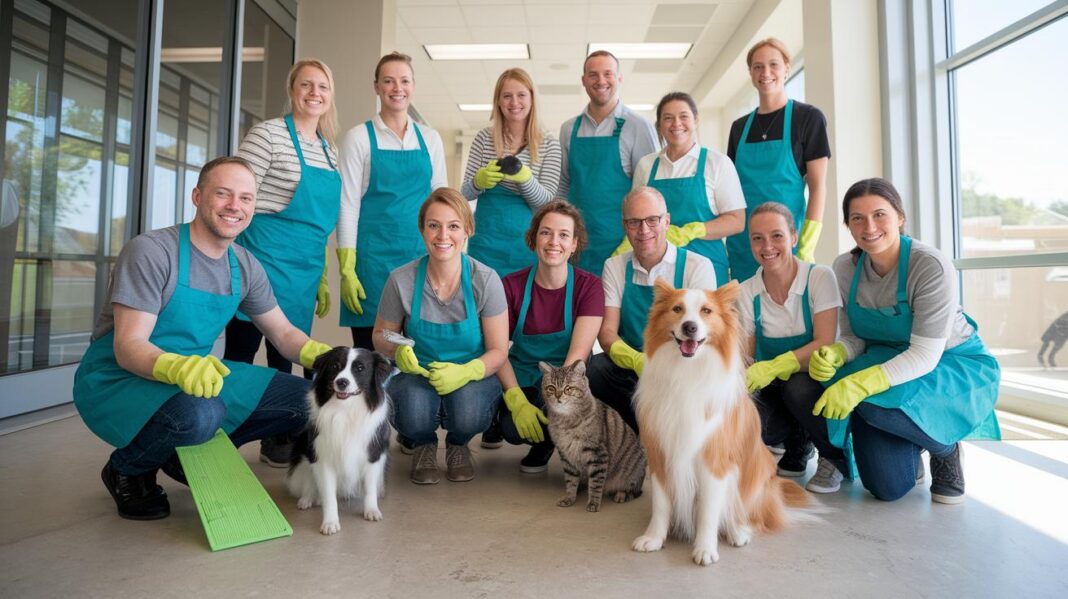

Have you ever thought that spending a few hours with furry friends could lift your spirits? Picture yourself walking happy dogs, tidying up their kennels, or gently comforting a shy cat. Volunteering at your local pet center gives you fun and easy ways to make a real difference for pets and their people. In this post, we share five roles that add joy and make you an important part of your pet care community. Let’s explore these heartwarming opportunities together.
5 pet community center volunteer opportunities Spark Joy
Volunteering at a pet community center is a fun way to help animals and bring smiles to pet parents. One great chance is helping out with dog walking. For example, the PAWS Wildlife Center in Snohomish welcomes helpers to walk dogs, spend time with cats, and assist with the community cat program. You get to meet furry friends and see your work make a real difference.
Another rewarding role is kennel cleaning. In this job, you clean kennel pens, restock cages with food, bedding, and toys, and sometimes help move animals around. This keeps the shelter safe and tidy for all the pets.
There are also special roles like cat socialization. In this position, you spend time with cats, making sure they feel calm and ready for adoption. Many centers also offer an online portal so you can easily log your hours and change your schedule. Shifts are available during mornings, afternoons, and evenings on both weekdays and weekends, giving you the flexibility to choose what fits your schedule.
To get started, you fill out an online form and then email the volunteer coordinator to confirm your interest. Signing up for these roles means you not only support the pet shelter, but also enjoy the happy experience of watching pets thrive every day.
Essential Training and Screening for Pet Community Center Volunteers
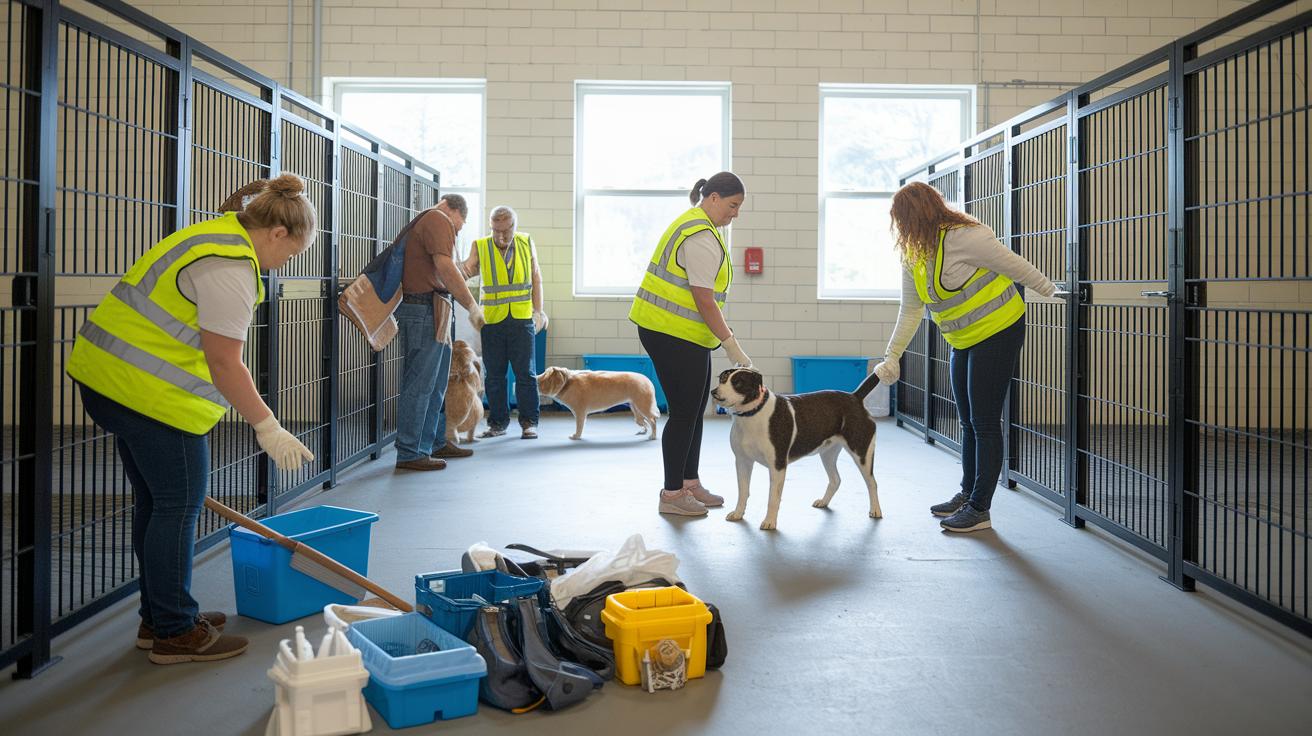
When volunteers join, they start with a 2-hour introduction session. In this session, they learn how to keep themselves and the animals safe. They are taught proper cleaning for kennels (the small homes for pets), safe ways to interact with animals, and how to use safety gear correctly.
After the introduction, each volunteer goes through a screening. This step includes a basic background check (a look into past records) and a short interview that explains job duties and expectations. This screening makes sure that each volunteer is ready and the right fit for pet care tasks.
Next, volunteers receive more detailed training. They learn every step of cleaning the kennels, which means gathering cleaning supplies, sanitizing the pens well, and setting up cages with fresh food, clean paper, fun toys, and cozy bedding. They also practice putting together toys that keep pets mentally active.
Every month, a local pet wellness group hosts workshops. These meetings share new safety tips and practical care techniques, making sure the training stays fresh and interactive. (More details can be found at https://petsnewz.com?p=1061)
This complete training and screening process ensures every volunteer is ready to provide caring and safe support for every animal they help.
Daily Tasks for Community Animal Volunteer Roles
Volunteers help the center run smoothly by taking on key tasks. This guide covers special jobs not found in the usual volunteer training guides.
Key tasks include:
- Keep cleaning supplies organized and working well. Before a shift, check mops, brushes, and disinfectants to make sure they're ready.
- Follow a set cleaning order when tidying up kennel pens so that every surface is properly disinfected.
- Watch for any unusual behavior in animals. Write down any small changes in how they move or their energy levels.
- Arrange the animal spaces by setting out food, bedding, paper, and toys. Keep a separate log for staff review.
- Help keep things on track by sharing schedule updates and any new tasks with your team.
Step-by-Step Application Process for Pet Center Volunteer Openings

This guide covers special details that aren’t in other sections. For basic info on shift scheduling and logging your hours, check out the volunteer opportunities and training pages.
- Fill out your online application form. Make sure all your information, like your contact details, is correct.
- Drop a quick email to the volunteer coordinator to let them know you’ve applied.
- Complete the screening steps. This includes a background check, a short interview, and an orientation session.
Ever double-check your details before hitting submit? Think of it as a chef tasting a new recipe to be sure nothing essential is missing.
Flexible Volunteer Schedules and Shift Options at Pet Centers
Volunteers pick either a 2-hour or a 4-hour shift so they can help out when it works best for them. For example, choose a 2-hour slot during your free time and check our online system to see which shifts are available.
If your plans change, you can easily swap shifts with a fellow volunteer using our online portal. Prefer the afternoon over the morning? Just use the portal to find someone who can trade shifts with you.
Meaningful Impact: Success Stories of Pet Community Center Volunteers
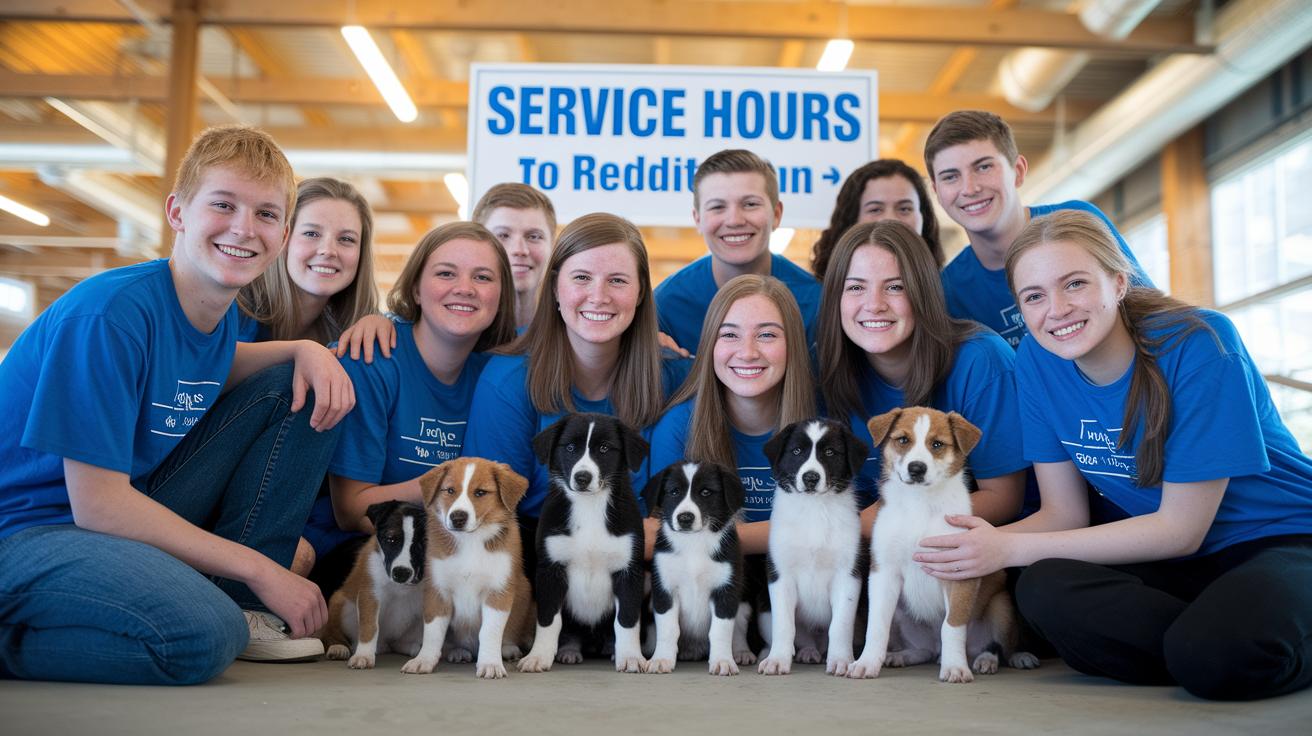
Real-life stories can inspire us all. For example, a group of teen volunteers at PAWS put in over 500 service hours during baby season. They cared for playful, needy animals and offered help when it was most needed. This shows that young helpers can truly make a difference.
Another touching story comes from a foster family that helped 12 kittens find their forever homes through the community cat program. Their kind care gave these kittens a safe start and lifted the spirits of pet parents and neighbors alike. Every new placement proves that dedicated help can save lives and build a stronger pet community.
One more story highlights an internship volunteer who created a new enrichment-toy kit. Now, this fun kit is used throughout the center to brighten pets’ days and boost their well-being. It shows that every small idea and effort adds up to a big impact on animal care.
Coordinating Pet Adoption and Community Events as a Volunteer
Volunteers are key to making pet adoption events and community outreach programs successful. They help set up spaces for monthly adoption fairs, pet health clinics, and fun fundraising runs that gather pet lovers. For instance, while one volunteer sets out tables and chairs, another helps people check in at the registration desk. This teamwork keeps everything running safely and smoothly.
They also work closely with event staff to plan and schedule tasks. At a recent trap-neuter-return workshop (a program where community cats are captured, sterilized, and then released), 80 volunteers teamed up to help sterilize 60 cats. This shows just how much of a difference working together can make for community pet care.
Other volunteer duties include preparing the event area, managing registration lines, and assisting during animal care demonstrations. Through these hands-on roles, volunteers learn about event logistics, connect with the community, and help bring joy to pet owners. Overall, volunteering not only supports successful events but also gives practical experience in coordinating pet outreach and adoption programs.
Fostering Programs and Pet Rescue Volunteering Opportunities

Volunteering to rescue pets by offering a foster home gives animals a safe space to heal and look forward to a forever home. At PAWS, caring volunteers open their doors to orphaned kittens and injured wildlife, providing extra love, attention, and a steady routine until these animals are ready for adoption.
Family Foster Care
Foster families are essential to pet rescue. They create a warm, nurturing environment where small kittens and even little wild animals can recover. Volunteers gently care for these animals with regular check-ups and plenty of love. Each family undergoes a careful screening process, including home visits and chats about their commitment. The time you spend fostering can vary depending on how quickly the animal improves. This program not only builds a lasting bond with pets but also strengthens the pet rescue community by sharing experiences and best practices.
Seasonal Wildlife Foster Roles
Every spring, the need for foster homes jumps, with more than 100 beds needed during baby season. The Snohomish Wildlife Center is now inviting applications from volunteers ready to foster local wildlife during these busy months. You'll receive training on how to care for different species, ensuring the animals get the best start possible. For more details, check out the foster to adopt page: foster to adopt. This seasonal role is a focused way to support your community while making a measurable impact on local pet rescue efforts.
Final Words
in the action, we showed how volunteer roles at pet centers bring communities to life. The post covered hands-on care tasks, necessary screening, and flexible scheduling that fit busy lives. It explained a clear five-step application process and detailed orientation sessions. Inspiring success stories confirmed how these efforts spark real change in animal care. Explore pet community center volunteer opportunities to make a tangible impact and support pets in your area. Enjoy the rewarding moments that come with every small act of animal care.
FAQ
What pet community center volunteer opportunities are near me?
Pet community centers offer volunteer roles like dog walking, cat socialization, and kennel cleaning at locations near you, including options in California and other areas through local animal shelters and pet care programs.
What volunteer roles do animal shelters and pet community centers offer?
Animal shelters and pet community centers invite volunteers for roles such as animal enrichment, daily care tasks, event support, and helping with pet adoption programs, giving hands-on experience with animals.
What services are offered by a pet community center?
Pet community centers provide essential services like pet care assistance, adoption events, volunteer training sessions, health and safety orientation, and even on-site pharmacies for pet supplies and medications.
What do pet community center reviews say?
Reviews of pet community centers mention positive volunteer experiences, supportive staff, flexible scheduling, and meaningful contributions to pet welfare and community outreach activities.
What is a pet community center pharmacy?
A pet community center pharmacy is a facility that stocks pet medications and supplies, offering affordable options to ensure that local pet owners have access to necessary health products and care items.
How can I get the pet community center phone number and contact details?
To get in touch, check the pet community center’s website for a published phone number or email, where you can also find details on volunteer applications, shift schedules, and upcoming events.
What services do centers like Nashville Humane Association and Value Vet Affordable Pet Care provide?
Centers such as Nashville Humane Association, Value Vet Affordable Pet Care, New Leash On Life, Nashville Cat Clinic, and 5 Points Animal Hospital offer a mix of pet adoption services, affordable veterinary care, and community volunteer opportunities.