



Big changes in the world of exotic pets might soon change how you care for them. New safety concerns and fresh care ideas are touching thousands of species.
For example, one sugar glider’s wild escape and long history of care has sparked debates about new bans and rules. Have you ever wondered if our pet care rules need a big update?
We take a closer look at global trends and important alerts that could reshape the way we care for exotic pets in today’s fast-changing world.
Exotic Pet News: Global Trends and Alerts
Officials are taking steps to ban some exotic pets after a dangerous escape that worried many in the community. Experts say that while these escapes are upsetting, they were not a shock given the many gaps in safety rules and enforcement.
Across the world, talks are growing as EU lawmakers consider making a list of pets that are safe to keep. A recent trade report shares that over 37,000 non-native species have been moved far from their home areas. This movement raises concerns about both pet care and public safety.
- Government bans are being proposed in North America and Europe after escape incidents.
- EU lawmakers are debating a "positive list" that would allow only species that thrive in captivity.
- A report shows that 37,000 species have been relocated worldwide.
- The high-profile case of sugar glider Mango has raised serious questions about animal care.
- Some countries are introducing new rules for selling and owning these pets.
Recent updates show a mix of rules and many new legal ideas focused on protecting animal welfare. While many call for tougher measures, some critics worry that large-scale bans could limit the legal pet trade. Lawmakers and pet experts now face the task of balancing pet owners' needs with proper safety checks and care standards. The case of Mango, who needed seven years of veterinary care after serious issues, clearly shows that change is needed. As governments work to close these gaps, people all over the world are watching to see how the exotic pet market might change.
Exotic Pet Market Trends: Growth and Consumer Demand
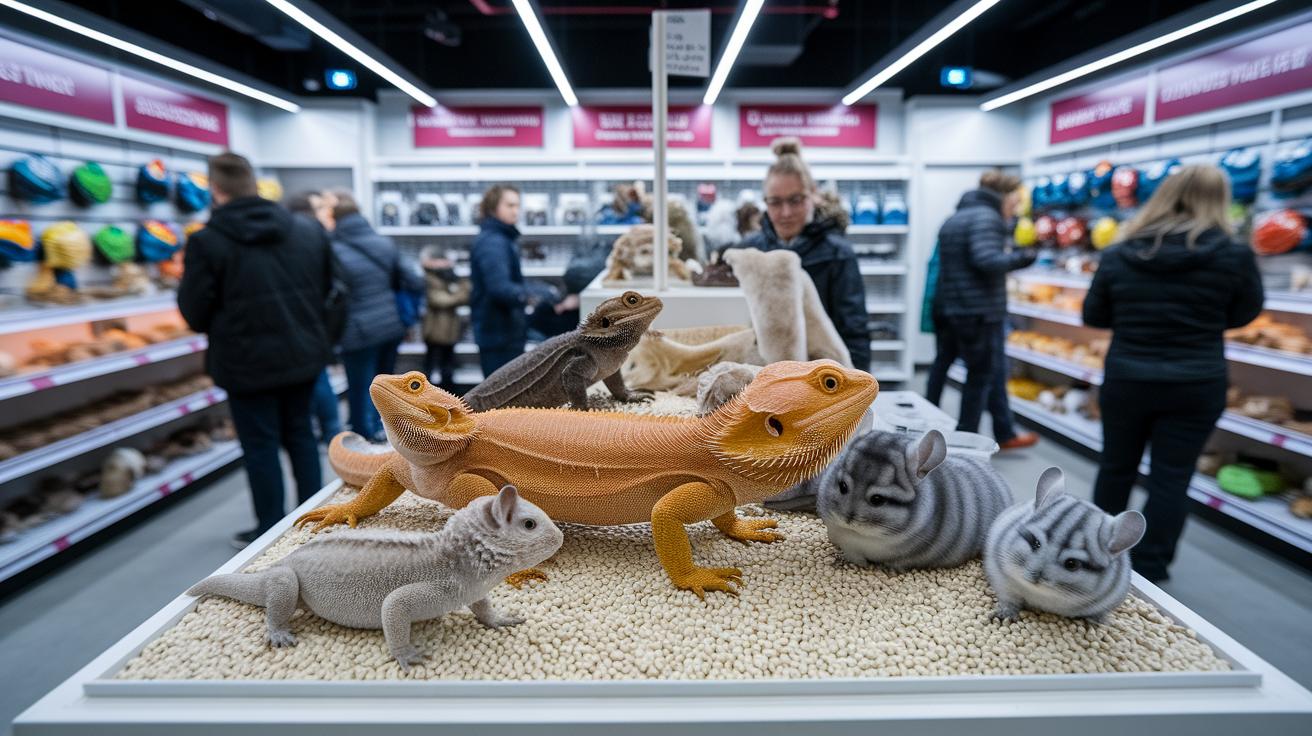
The world of exotic pets is growing fast. Each year, millions of unusual animals find new homes. In 2023, pet specialty stores saw a 5% rise in sales, and online shops jumped by 19%. Popular pets like bearded dragons and chinchillas are drawing in owners who want something different from the usual cats and dogs.
New business ideas are making it easier to get these pets. Both local stores and online channels are boosting growth. For example, a veterinary clinic in Brazil tripled its number of clients in just two years. This clinic now turns away over 50 animals every week because of high demand. They even moved into a 400 m² (about 4300 sq ft) space that includes fun play areas for pets. This shift shows that pet owners now look for trusted care and fair pricing when choosing an exotic pet.
| Channel | Growth | Timeframe |
|---|---|---|
| Pet Specialty Retailers | 5% ↑ | 2023 |
| E-commerce Platforms | 19% ↑ | 2023 |
| Brazilian Vet Services | 200% ↑ | 2 years |
Trends show that people love rare and unusual pets, and this interest is driving profit. Owners are spending more on quality vet care and special products made just for unique pets. Some businesses are now offering custom nutrition and health programs similar to those for cats and dogs. This means that the secret to success in the exotic pet market is being flexible and using both physical stores and online tools. Clearly, the exotic pet industry is thriving and opening up brand new opportunities for pet lovers.
Exotic Pet Policy Updates: Regulation and Enforcement
EU guidelines for exotic pets are still split, leaving many pet owners and sellers confused. It feels like trying to follow different sets of instructions at the same time.
Some countries have started banning certain species to protect people and wild animals. Regulators made these changes after safety issues surfaced, much like replacing a loose door latch with a sturdy one.
Experts are now talking about a "positive-list" plan. This idea would let only those species that adjust well to home life stay, similar to inviting only the right guests to a gathering.
However, enforcing these rules is still a big challenge. Even with tougher laws in some places, uneven checks make it hard for pet owners to feel secure. Right now, the whole system looks more like a patchwork than one clear plan.
Exotic Pet Health Advisories: Welfare and Care Concerns
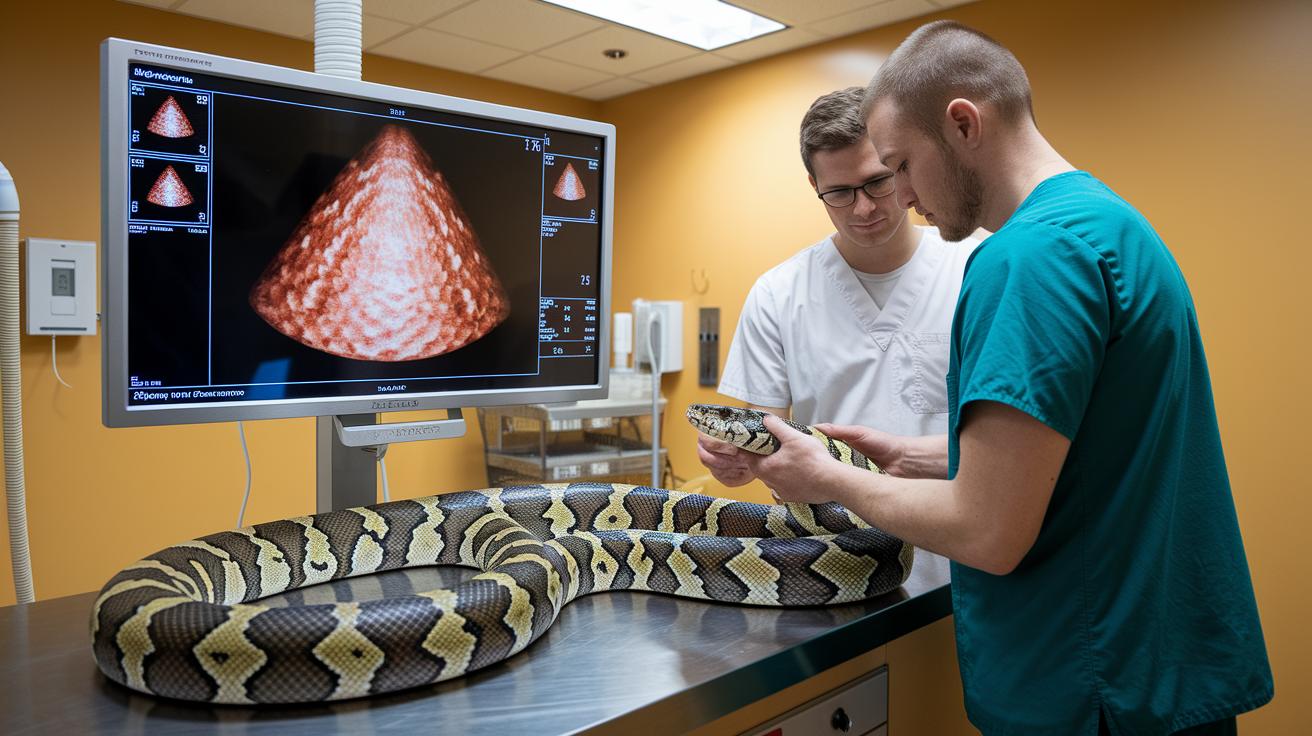
Exotic pets come with special needs that require expert care from vets who know these animals well. New ways to check for illnesses and treat them early are making a big difference. For instance, one study used clear, high-resolution imaging to spot a slow-spreading infection in a reptile. This modern tech helps vets catch issues before they become serious.
One pet python recently showed the benefits of early testing. The veterinarian used genetic screening (a test that looks at an animal’s genes) and detailed imaging to find a rare infection before it turned critical. This early catch allowed for a treatment plan that really helped the python recover.
Regular check-ups are key. If you have an exotic pet, make sure you visit a vet skilled in caring for unusual species. A plan that includes proper nutrition and timely health tests can protect your pet from outbreaks and keep them healthy for the long run.
Exotic Pet Industry Innovation: Services and Platforms
A new facility in Brazil spans 400 m² (about 4300 sq ft) and is raising the bar in pet care. It provides expert veterinary help along with special play areas that feel like real-life nature. Imagine a space where a parrot enjoys a mini jungle, it’s just like a tiny zoo made for pets.
Technology is also making a big splash in exotic pet care. Digital tools now let pet owners schedule appointments, speak with vets online (telemedicine), and keep track of a pet's health. Soon, smart systems will even send custom alerts about your pet's daily activity, tailoring care to each unique animal.
Exotic Pet Adoption & Rescue Updates
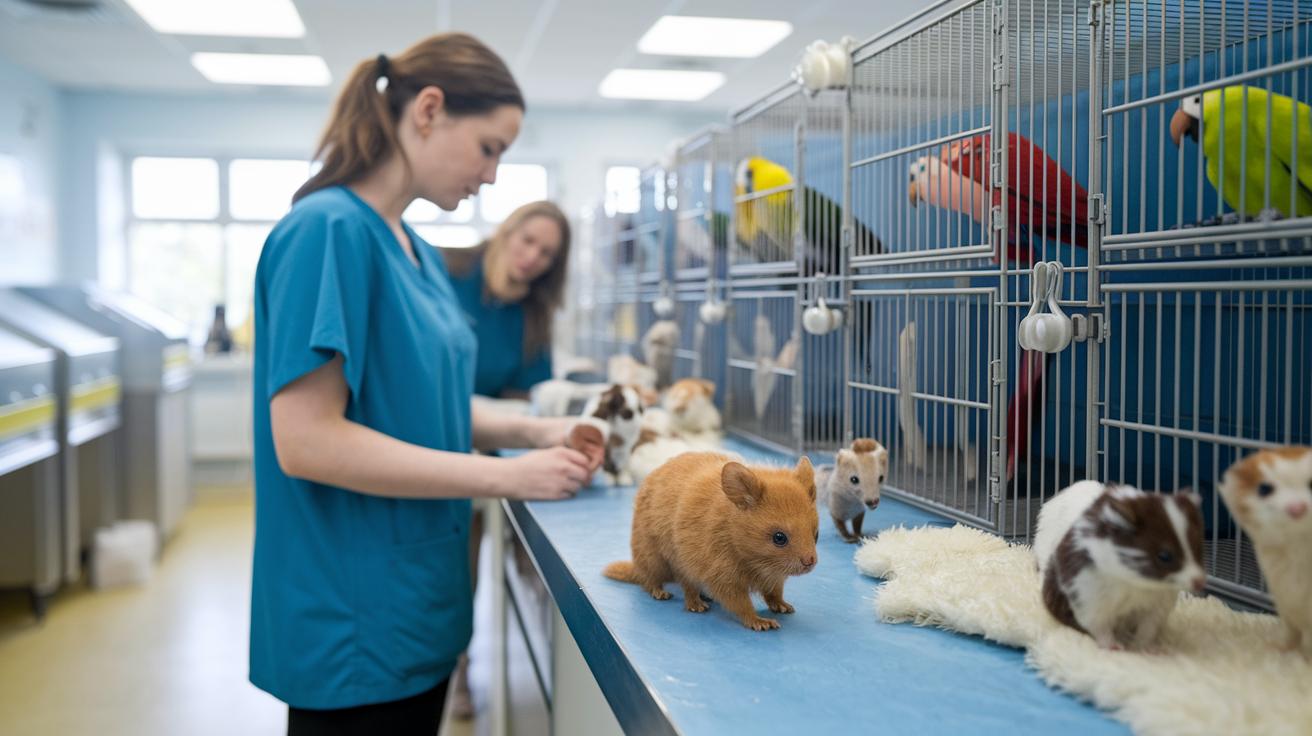
Recent reports say Brazil’s rise in exotic pet adoptions is putting pressure on local vet services. In Rio de Janeiro, a nonprofit rescued several small mammals from crowded shelters by using simple online screening to check each pet’s needs. In another case, a team in São Paulo safely found new homes for five exotic parrots from an overcrowded shelter by carefully matching them with ready families.
Local nonprofits are working together to create a list of safe species to help pet parents make good choices and avoid unsuitable adoptions. Experts point out that some animals are smuggled across borders by illegal breeders. Investigations have found that these traffickers use local transit hubs to move animals, and rescue teams now use coordinated patrols along these routes to stop the smuggling.
Grassroots groups have set up sanctuaries that follow clear, strict rules to care for rescued pets. Dr. Mark Anderson, a sanctuary director with lots of hands-on experience, says these careful steps help pets heal from stress and adjust to new homes. By combining community support with clear medical care and behavior plans, shelters are giving rescued animals a better chance for a stable recovery.
Final Words
In the action, our article broke down global exotic pet care updates, from market trends and legal changes to health advisories and innovative service models.
We looked into shifts affecting legislation, welfare cases, and consumer insights.
- Proposed government bans after escape incidents in North America and Europe
- EU “positive list” debate targeting species suitability
- Trafficking report: 37,000 species relocated globally
- High-profile welfare case of sugar glider Mango
- New sales and ownership restrictions in select nations
This exotic pet news update shows urgent shifts in the pet world that help our community make safer, smarter choices.
FAQ
Q: What are the recent global trends in exotic pet news?
A: Recent global trends in exotic pet news highlight government bans after escape incidents, debates over species suitability, trafficking reports, and new sales and ownership restrictions across several regions.
Q: How do legislative changes affect exotic pet ownership?
A: Legislative changes affect exotic pet ownership by proposing bans and implementing a “positive list” of allowed species, aiming to protect animal welfare and simplify enforcement for pet owners.
Q: How is the exotic pet market growing and shifting consumer demand?
A: The exotic pet market grows as consumer interest in unique species rises, with e-commerce channels showing significant sales increases and businesses expanding services to meet new pet owner needs.
Q: What are the risks and welfare concerns for exotic pets in captivity?
A: Welfare concerns include chronic illnesses and stress; high-profile cases like Mango the sugar glider show that improper care can lead to long-term health issues and even loss of companions.
Q: What innovative services and platforms are emerging for exotic pet care?
A: Emerging innovations feature interactive veterinary facilities and expanded digital sales platforms, which offer modern care approaches and enhanced access to services for exotic pet owners.
Q: How are adoption and rescue efforts evolving in the exotic pet sector?
A: Adoption and rescue efforts are growing as demand for nontraditional pets increases, with advocacy groups pushing for stricter species guidelines and grassroots rescue operations stepping in amidst rising trafficking issues.