



Have you ever thought one small act could change a stray pet’s life? Helping a stray isn’t just a kind deed, it gives an animal a second chance at hope. When you see a pet in need, taking action right away can ease its stress and bring it closer to a safe, loving home. In this post, we share simple ways to help stray animals and explain how community support makes everyday moments truly heartwarming for our furry friends.
Essential Steps in Stray Rescue: How to Assist and Report Stray Animals
When you spot a stray animal, act quickly to help. Fast action can lower the pet's stress and improve its chance of finding a caring home. Mobile teams from Stray Paws Rescue work in 11 states to help, following safe guidelines.
- Call your local shelter, animal control, or rescue hotline right away. Quick calls bring trained help sooner.
- If it's safe, offer temporary care. Give the animal fresh water and a quiet spot away from busy streets while keeping a safe distance.
- Contact nearby rescue groups for immediate support. This gets experts on the scene who know how to care for the animal.
- Snap clear photos and write down notes about the animal's behavior, any injuries, and its exact location. This detailed info helps responders understand the situation.
- Follow up with the shelter or rescue team for updates and more instructions. Checking in shows your care and keeps the animal on track for help.
Working together as a community makes a big difference. When neighbors join forces, rescue services are alerted quicker, and the network of care grows, giving stray animals hope for a safer future.
Partnering with Stray Rescue Organizations in Your Community

Municipal shelters are your go-to resource for stray animal care. Run by local government, these centers focus on protecting pets, offering emergency treatment, and helping find new homes. Many pet owners trust them because they hold solid accreditations and positive community reviews. You might even notice that some shelters share their inspection records to show their dedication to quality care.
Nonprofit groups like Stray Paws Rescue are just as important. This registered 501(c)(3) organization in the St. Louis Metro Area now works in 11 states. They use clear, open practices, as shown in their 2024 Form 990, and their detailed adoption process, including home visits, shows their strong commitment to ethical pet care.
Volunteer programs such as SAAP complete the network. Started in 1998, this all-volunteer group works hard to rescue and protect dogs and cats in need. They partner with local shelters and sponsors to create a reliable support system for stray animals. Choosing groups with clear accreditation, transparent finances, and positive community feedback means you’re truly helping to save lives.
Fostering and Adoption Pathways in Stray Rescue Efforts
Fostering and adoption can both change a stray's life. They are two ways to offer love and care to pets in need. When you foster, you provide a safe, temporary home that helps a pet heal and adjust. Adopting means giving a pet a forever home.
| Program | Requirements | Support Provided |
|---|---|---|
| Foster Program | You must be able to offer a safe, loving home for a short time | Supplies, veterinary care, food, and ongoing help |
| Adoption Program | A home visit and a commitment to a permanent home are needed | A personal match with a pet, starter bag with food and a toy, and an easy process |
Your choice depends on your lifestyle and available time. Fostering is great if you can open your home temporarily and help a pet feel safe while waiting for a permanent family. It lets you make a big difference without taking on a full-time commitment. Adopting is perfect if you are ready to welcome a pet for life. The process includes a home visit and a careful match to ensure the pet fits well into your life.
Groups like Stray Paws Rescue and SAAP are there to help you every step of the way. They provide advice, resources, and follow-up care to ensure both you and your new pet adjust well. Think about your space, your daily routine, and how much attention you can give. This decision can change a pet’s world while filling your home with joy and love.
Medical and Behavioral Rehabilitation in Stray Rescue
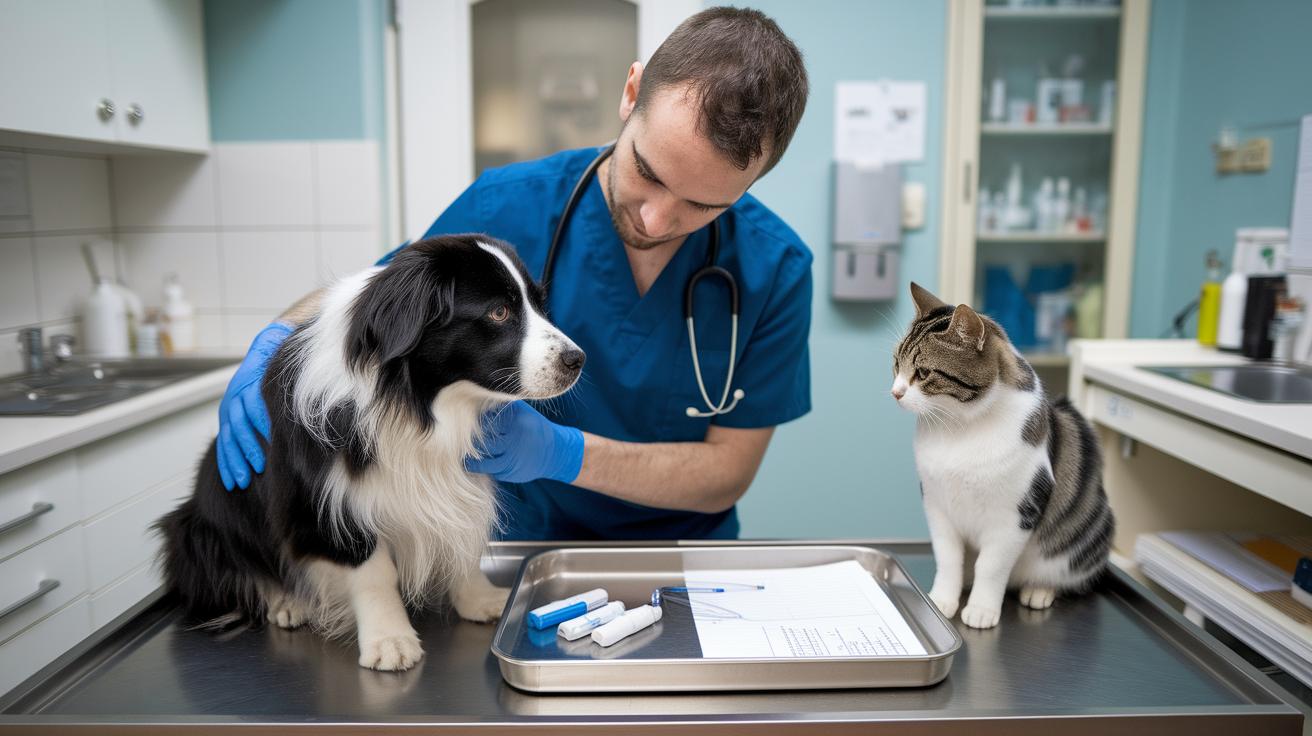
When a rescued pet arrives, the first step is a careful medical check-up. Vets examine each animal to spot injuries or signs of sickness. They perform important treatments like vaccinations, deworming (medicine to clear intestinal parasites), and microchipping. This early care makes sure that even pets with serious issues get the attention they need in a calm, stress-free setting.
Regular vet visits are key to recovery. Rescued pets get scheduled check-ups to track their progress and overall well-being. Their food and exercise plans are adjusted based on what each pet needs. The team monitors vital signs and healing markers while providing a balanced diet to help them regain strength. This steady care helps pets build resilience as they get ready for a new, loving home.
Along with physical care, behavior assessments are part of the process. Gentle training and socialization help ease anxiety and build trust. Structured play and calm, consistent handling keep the pets mentally active and make it easier for them to adjust to new routines.
Legal and Ethical Frameworks for Stray Rescue Initiatives
Laws set clear rules to keep stray pets safe and guide rescue efforts. They make sure everyone knows what to do, much like the comforting nudge of a pet in need. When rescuers follow these laws, they work confidently, knowing their actions are on solid ground.
Local rules and nonprofit guidelines play a big part. For example, Stray Paws Rescue holds a 501(c)(3) status (a tax-exempt nonprofit organization) and publishes its 2024 Form 990. Their rules include waiting before adoptions and not judging pets by breed. These clear steps help ensure every pet finds a safe home while meeting legal standards.
High ethical standards are a must for all rescue groups. Organizations like SAAP use background checks and home visits to keep standards high. These steps build a strong network of support, so pet lovers can make careful and smart choices. With easy access to trusted legal advice from local animal groups, everyone is better equipped to care for stray animals.
Inspiring Stray Rescue Success Stories and Community Campaigns

Heartening rescue stories bring hope and encourage neighbors to help stray animals. These true accounts show how pets’ lives change for the better, sparking interest in volunteer work at animal shelters and rescue groups.
Rosemary’s Journey
Rosemary is a 4-year-old shepherd mix who once lived in a shelter where many animals were not given a chance. With loving foster care and careful treatment, Rosemary blossomed into a gentle friend ready for a forever home. Her story, from tough treatments to a happy ending, reminds us that a caring rescue team and community support can work real magic.
Stray Paws Rescue Gala 2026
Mark your calendars for March 14, 2026. The Stray Paws Rescue Gala is much more than a fundraiser. It raises money for important medical care and shelter needs while highlighting volunteer work and success stories. With fun sponsorship titles like Puppy Paw-some Partner, Heart Health Hero, and Fospice Guardian, everyone can help improve the lives of stray animals.
Getting involved is key. Share your rescue stories and join local events to spread hope and unite with other animal lovers.
Final Words
In the action, this article outlined quick steps for stray rescue, from reporting a stray to contacting trusted groups. We touched on partnering with organizations and deciding between fostering or adoption. The guide also covered essential steps in medical care and legal safeguards. Real success stories underline the power of community involvement. Every step you take builds a safer, happier future for vulnerable animals. Remember, smart actions and teamwork truly make stray rescue a lifeline for countless pets.