

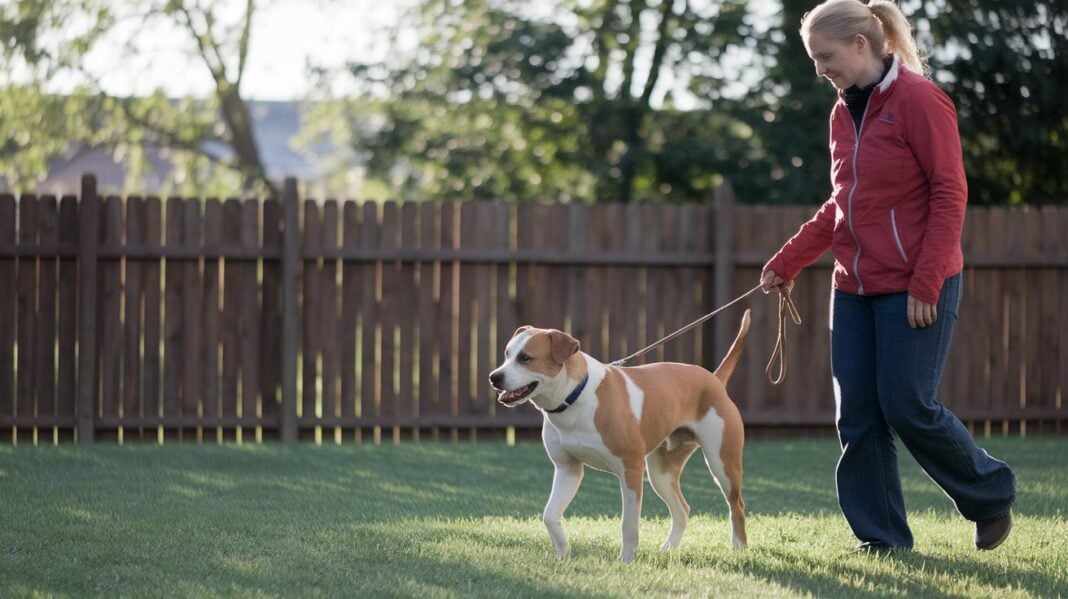

Have you ever worried about your dog's angry behavior? Dogs sometimes show anger when they feel unsafe. The good news is that a few small changes can help a lot.
This guide shows you simple steps to calm your dog down. Instead of using punishment, try giving treats and kind words. These gentle actions help build trust and guide your pet to act in a more positive way.
You can create a safe space at home where your dog feels secure. This helps him learn better ways to express his feelings. Give it a try and see the difference in his behavior.
Immediate Steps for Effective Pet Training for Aggressive Dogs
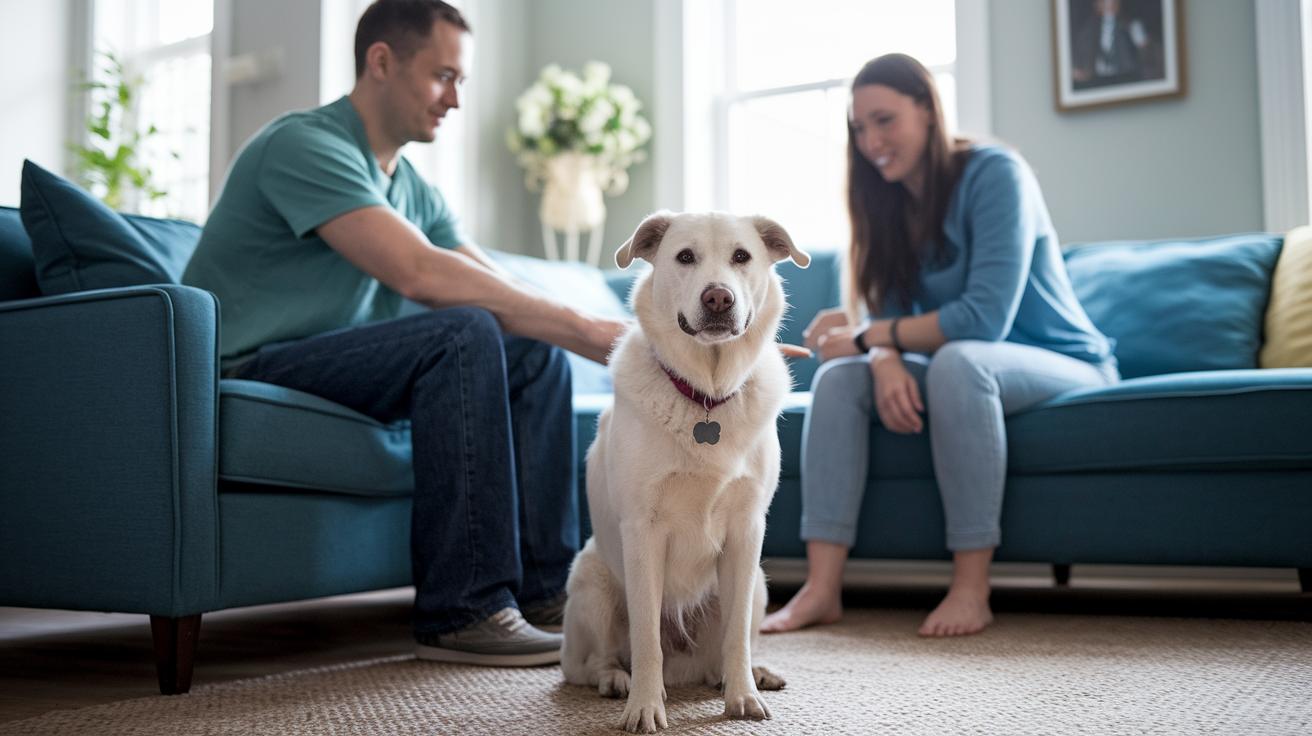
Dogs sometimes show aggression because of natural instincts, but it can become dangerous if not handled quickly. When your dog acts out, think of it as a way of saying it feels unsafe. For everyone's sake, start by making sure your dog's space is secure while you plan how to help change its behavior.
First, work on keeping your dog away from things that upset it. If something makes your dog nervous or triggers a challenge, remove that trigger from its environment. Instead of punishing unwanted actions, use treats and kind words to reward calm behavior. For example, if you see your dog giving a quick, alert glance at something, try soothing it with a treat to help shift its focus. This approach helps build trust while guiding your dog toward long-term change.
Always stick to safe practices during training. Use a sturdy leash and a muzzle if needed. A secure leash gives you control, especially on walks where unexpected things might appear. Also, consider keeping your dog separated from visitors or other animals to avoid any potential confrontations. These simple steps protect everyone and let you work patiently and clearly to improve your dog's behavior.
Assessing Aggressive Dog Behavior and Identifying Triggers
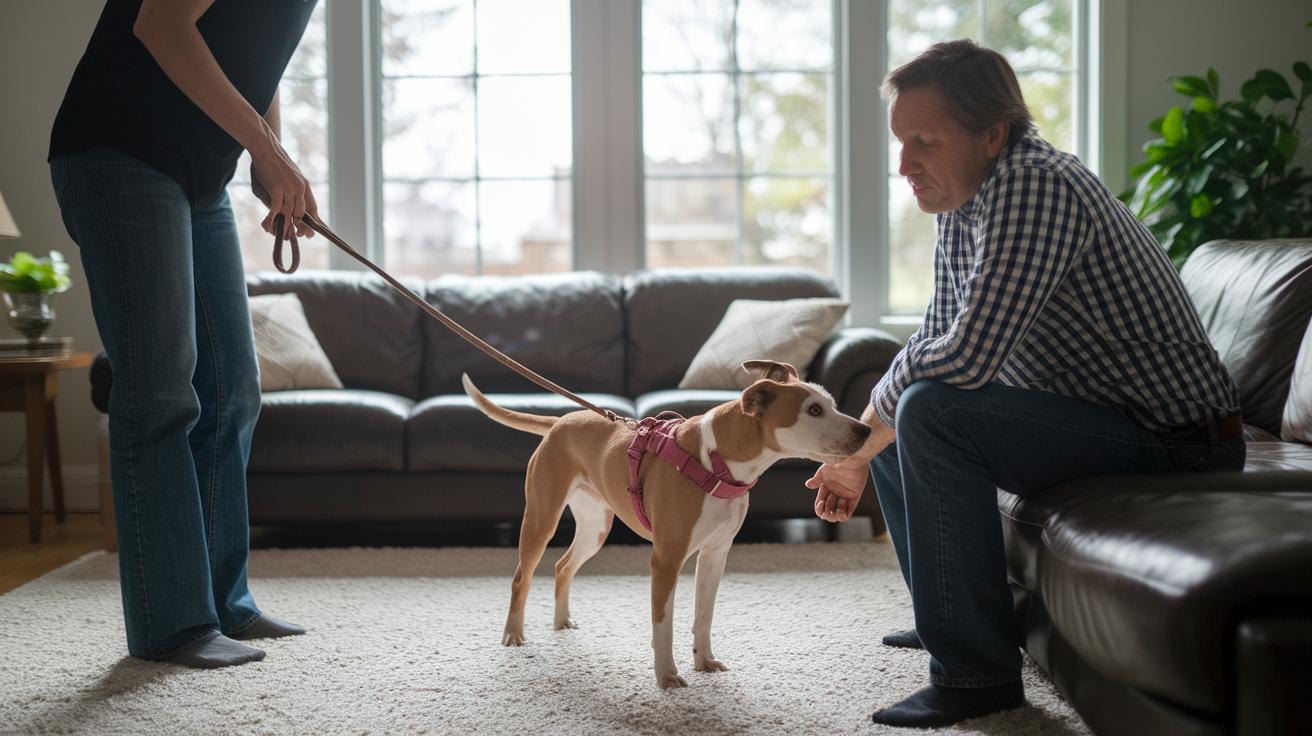
When your dog shows signs of aggression, the first step is to learn what sets it off. Knowing your pet's warning signals helps you keep your home safe and makes training more effective. It is important to watch for small clues so you can gently guide your dog before the behavior gets worse. Studying your dog's body language will help you design a plan that fits its specific needs.
Fear-Based Aggression
Fear-based aggression happens when a dog feels scared by other dogs, strangers, or loud, sudden noises. Sometimes dogs that have had a tough start in life may react this way. For example, you might notice a rescue dog looking nervous when a new person comes into the room. These early signals give you a chance to calm your dog with kind words and a treat before it starts to growl or snap.
Dominance-Based Aggression
Dominance aggression occurs when a dog tries to take charge of its space or other animals. You might see this when there is a struggle over territory or when your dog feels someone is invading its space. In these cases, the behavior is more about setting boundaries than feeling scared. Training should focus on calm, steady leadership and a regular routine to help your dog understand its limits.
Keep an eye out for these warning signs:
| Sign | Description |
|---|---|
| Yawning | A sign of nervousness or stress |
| Lip licking | May show anxiety |
| Wide eyes (whale eye) | Exposes the whites of the eyes as a stress signal |
| Pacing | Indicates unease or impatience |
| Panting | Excessive or heavy panting can be a stress sign |
| Tucked tail | Shows fear or submission |
| Shaking | Physical sign of anxiety |
Noticing these signals early gives you a chance to change your approach and adjust the training plan quickly.
At-Home Training Techniques for Aggressive Dogs
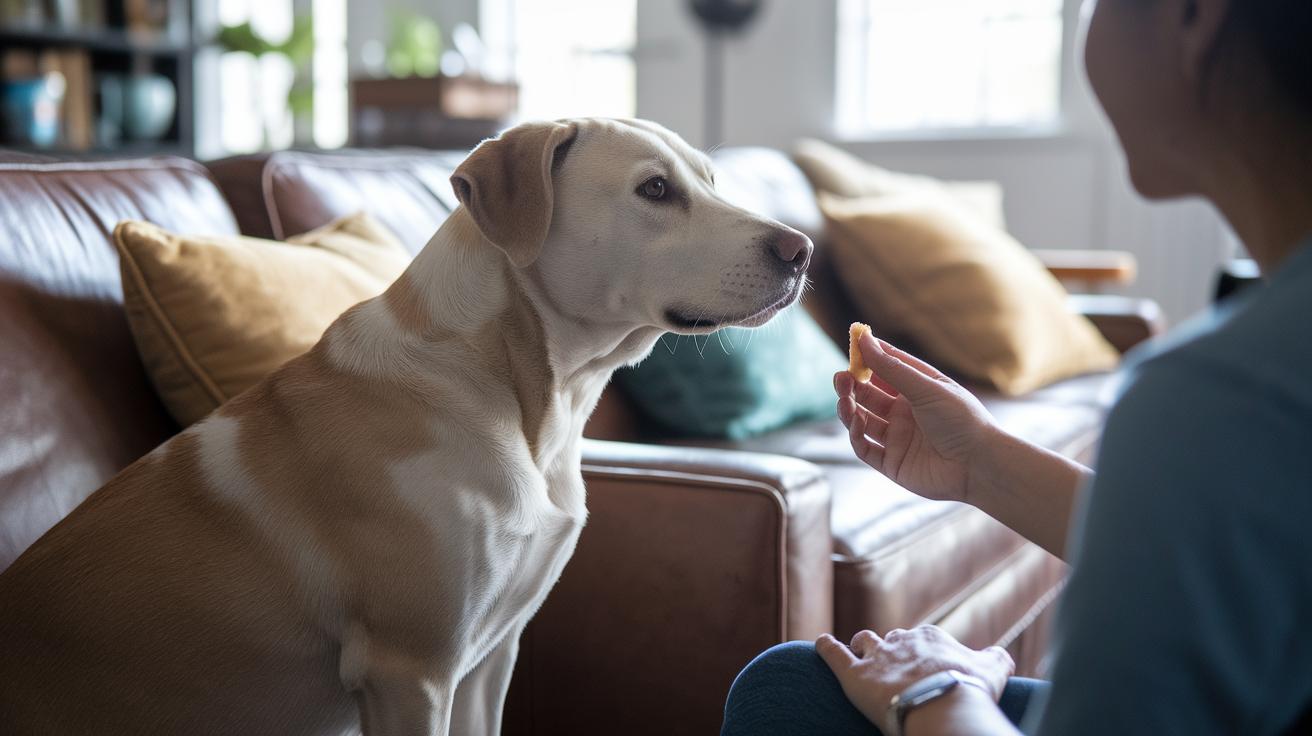
Managing an aggressive dog at home starts with a clear, step-by-step plan. Begin in a familiar room where you feel safe and in control. This helps your dog relax while you slowly introduce mild triggers. Watch your dog closely for any signs of stress, like a tense body or a quick glance away.
Reward your dog with tasty treats and kind words when it stays calm. Over time, these rewards build trust and help your pet shift its focus from stress to relaxation. Remember, progress may seem small at first, but each step matters.
- Introduce low-level triggers in a controlled setting.
- Keep a safe distance and reward calm behavior right away.
- Use high-value treats or favorite toys along with relaxation cues.
- Teach simple commands like sit, focus, or retreat.
- Gradually make the training sessions a bit more challenging.
- Note each session’s progress and adjust your plan as needed.
Adding fun mental activities, such as daily walks or engaging puzzle toys, can also reinforce the training. Keeping a brief log of your sessions helps you see improvements and notice what might need extra work. With patience and consistent practice, your dog can learn to be calmer and more confident, helping create a safer home for everyone.
Integrating Positive Reinforcement and Behavior Modification Methods for Aggressive Dogs
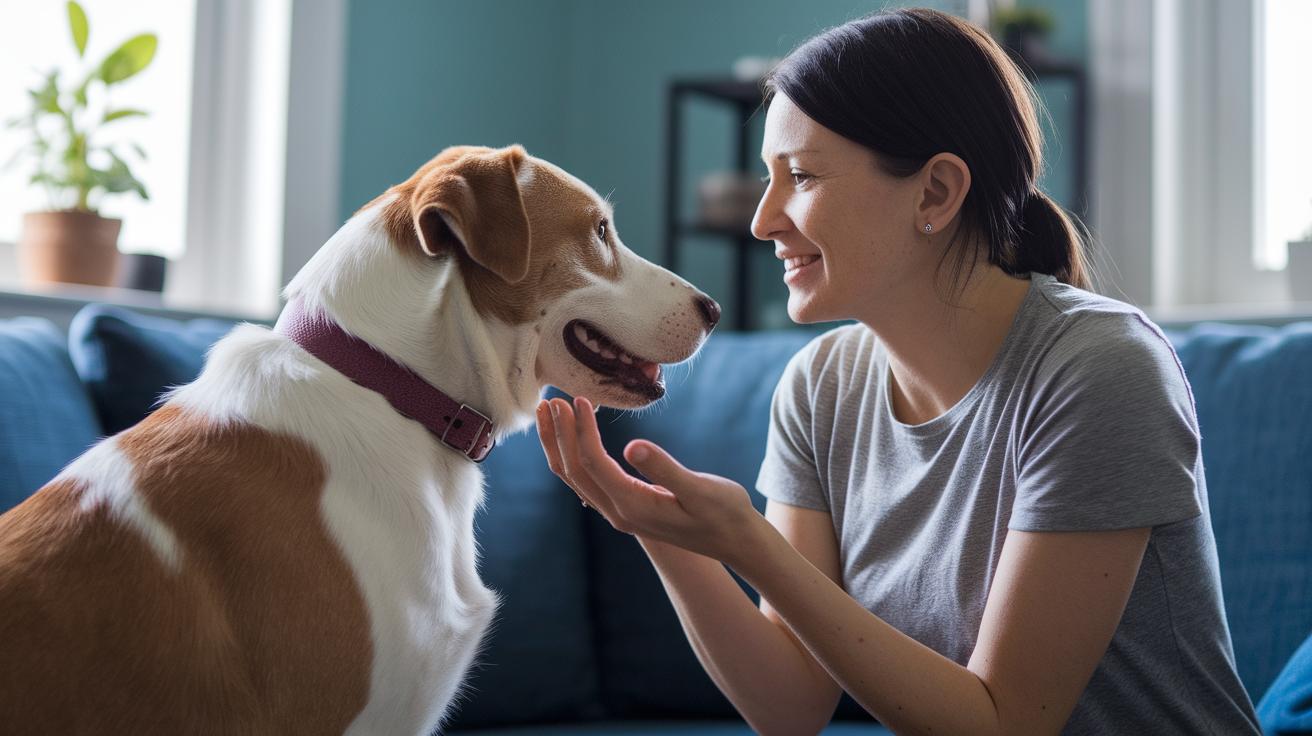
When training an aggressive dog, reward calm behavior with treats or kind words. This shows your pet that staying relaxed when faced with a trigger is a win. A small snack or gentle praise builds trust and deepens your bond over time.
Research shows that gentle, steady training works better than harsh methods. Avoid shock and prong collars, as they can spark more fear and aggression. Instead, focus on your dog's body language and needs to create a safer space for everyone.
Stick to a clear schedule for giving rewards so your dog knows exactly what is expected. Stay calm and patient as you use these treats regularly. This consistent approach helps improve behavior and builds a strong, trusting relationship between you and your furry friend.
When to Seek Professional Pet Trainers for Aggression
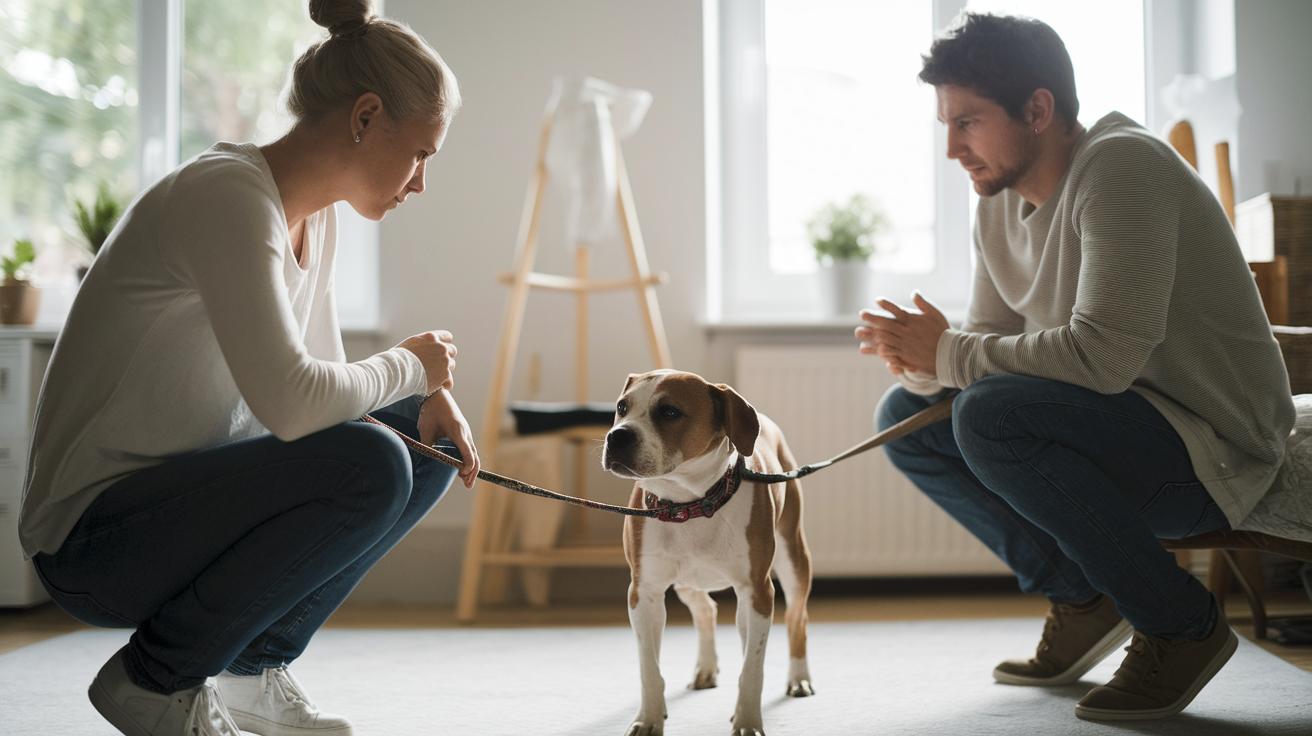
When your home methods no longer calm the situation, it might be time to call in a pro. Look for experts who use science-based methods and have solid credentials. This way, you avoid trainers who might use harsh tools like shock or prong collars. A professional can offer a custom, step-by-step plan to help manage your dog's unpredictable aggression.
Certified Dog Behaviorists
Certified dog behaviorists come with real experience and specialized training. They work with positive reinforcement methods, which means they reward good behavior while learning what triggers your dog. Their planned sessions help ease aggressive reactions and build trust over time. With proper certification and ongoing education, they ensure the techniques are safe and effective.
Veterinary Behaviorists
Veterinary behaviorists mix a full medical check with behavior plans. They check if there is a health issue behind your dog's aggression and can include treatment like medication if needed. They schedule regular follow-ups to adjust the plan as your dog's needs change. This expert care helps keep your dog safe and makes sure progress is made step by step.
Preventing Relapse and Maintaining Progress in Aggressive Dog Training
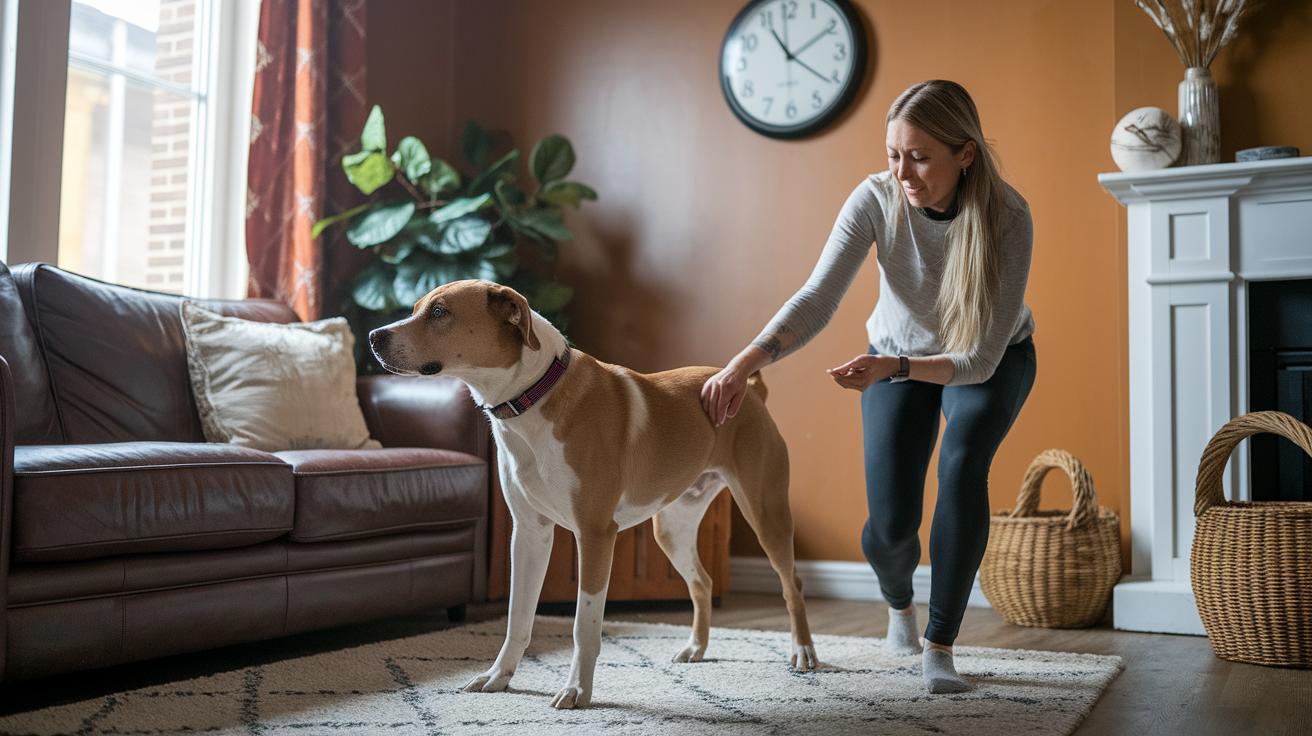
Training an aggressive dog takes time and steady practice. Stick to a regular routine so you can watch for any signs of stress or slipping back into old habits. Revisiting your training sessions often and tweaking them to match your dog’s current mood helps lock in the progress you’ve made.
Keep an eye out for triggers you already know about. Refresh training sessions now and then to help your dog stay calm. Let your dog practice good manners with visitors or other pets in controlled settings. This dependable routine builds confidence and makes setbacks less likely.
Even when you see real improvements, keep checking in. A consistent follow-up plan reminds your dog of your expectations and keeps training fresh. By staying steady and mindful, you help your furry friend hold onto progress and reduce the chance of old behaviors returning.
Final Words
In the action, the article guides you through immediate safety steps, careful trigger identification, and practical home training techniques to manage aggression. It covers the benefits of positive reinforcement and outlines when to reach out to professional help. Each strategy helps build a strong foundation for lasting behavior change. With consistency, thoughtful planning, and a compassionate approach, you can make progress in pet training for aggressive dogs and create a safer, happier environment for both you and your pet.