

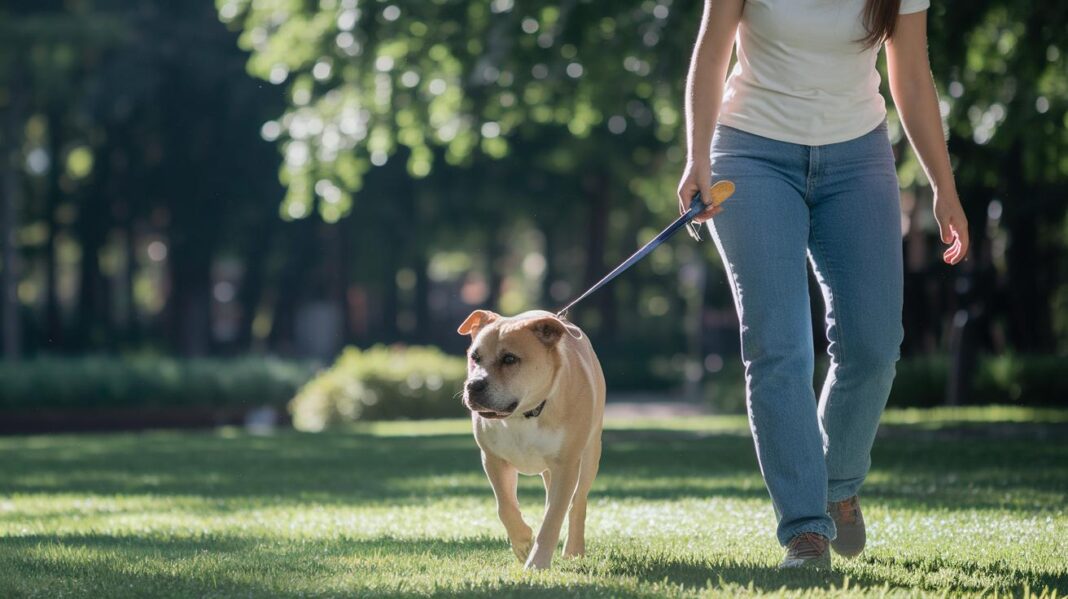

Ever feel like your dog turns every walk into a tug-of-war? You're not alone! Try using positive training techniques. Start by giving a treat or a quick play break when your pet stays calm. This small reward shows your dog that a peaceful walk brings good things.
This simple approach builds trust and makes training fun for both of you. Keep sessions short and use gentle tools to guide your furry friend. Over time, you'll see that steady, calm walks are within reach. Enjoy your adventures together!
Core Positive Strategies for Leash Training a Dog that Pulls
When training a dog that pulls on the leash, rewards work far better than punishment. Praise, tasty treats, or a little play break can show your dog that walking calmly leads to great things. This friendly method replaces harsh actions like jerking or yanking, which can make your pet nervous. It also helps build trust, making every walk a chance to communicate with your furry friend.
Timing matters when you train your pet. Giving a treat within half a second of the leash relaxing will reinforce the good behavior. Try short training sessions with about five repetitions at a time, repeated two or three times a day. This makes it easier for your dog to stay focused without getting frustrated. Using tools like a front-clip harness or a Gentle Leader headcollar can help too. They work by redirection of gentle pressure rather than delivering harsh corrections. Many trainers also use a marker like a dog clicker to signal the exact moment your dog does the right thing.
With regular practice over two to four weeks, you should see real progress. Your dog will learn that staying calm earns a reward and makes the walk more fun. With steady, patient guidance, even dogs that used to pull a lot will start listening to your cues and enjoy a more relaxed walk.
Essential Equipment for Positive Leash Training a Dog that Pulls
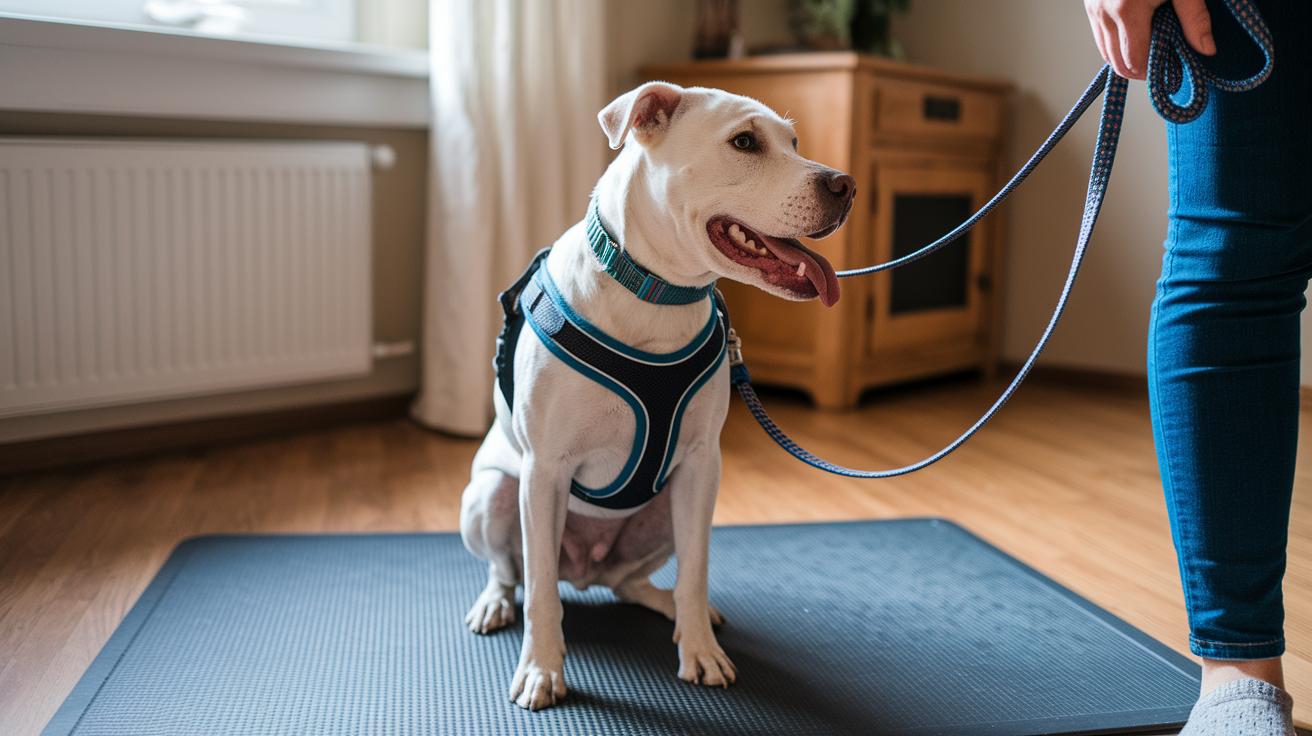
A front-clip harness is a great tool to help your dog learn to walk calmly. It clips at the chest and has adjustable straps to get a snug, comfy fit. This harness works well for small dogs needing a gentle guide and larger ones that need extra control. Sometimes, a Gentle Leader headcollar (a collar that gently steers strong pullers) can help when there are lots of distractions. Using these humane items instead of harsh prong collars makes training a positive experience. Think of choosing a harness like picking a perfect jacket: if it fits well, your dog moves easily and safely.
A 4- to 6-foot leash gives you enough room to guide your dog while keeping them nearby. Carry a few small, pea-sized treats in a waist pouch to praise calm behavior right away. When your dog listens, offer a treat immediately to reinforce the good behavior. Many trainers found that a well-fitted harness really changed the whole training game.
Foundational Cues and Reinforcement in Leash Training a Dog that Pulls
Name Recognition
Always pair your dog's name with a treat or kind words. When you call its name and it stays calm, give a quick reward. This helps your pet learn that its name means something fun, not punishment. Soon, your dog will look to you the moment it hears its name.
Marker Training
Pick a marker word or clicker and use it every time your dog relaxes the leash. When the leash goes slack, immediately use the marker. This clear signal tells your pet that it has done the right thing. Before long, your dog will understand that the marker means good walking manners.
Treat Timing and Motivation
Keep a stash of small, tasty, pea-sized treats handy. As soon as you see the leash loosen, give a treat within about half a second. Quick rewards make it easy for your dog to learn that good behavior leads to fun and treats. This fast feedback builds your dog's confidence on walks.
Sniff-on-Cue
Teach your dog a "sniff" command for controlled scent breaks. When you say "sniff," let your pet explore a little while you watch for pull-free behavior. Give a treat once it obeys the command. This way, your dog learns that focusing on you doesn't mean missing out on those favorite smells.
Combining these cues during walks creates a steady training routine. With clear name recognition, marker training, swift treat rewards, and a controlled sniff break, your dog learns that being calm on the leash brings immediate, positive rewards. This makes every walk safer and more fun for both of you.
Implementing the 5-for-5 Rule and Change Direction Game in Leash Training a Dog that Pulls

The 5-for-5 rule is an easy way to help your dog learn proper walking manners. In simple terms, your dog should give five good responses in a row during a session. By practicing five controlled turns two or three times a day, you show your furry friend that calm walking earns rewards instead of pulling.
| Successes | Trainer Action |
|---|---|
| 0-2 | Simplify the task and lower distractions |
| 3-4 | Keep reinforcing the current level with steady praise |
| 5+ | Move on to a slightly tougher setting |
For the Change Direction game, start by walking your dog at a normal pace until you feel him get ready to pull ahead. When that happens, quickly shift to a new direction. As your pet follows you and the leash loosens, immediately give praise or a little treat. This clear cause and effect helps your dog learn that a sudden change in direction brings a reward. With regular practice, your dog will start paying closer attention to your cues and pulling will lessen, leading to more enjoyable walks for both of you.
Troubleshooting Common Leash Training Challenges for a Dog that Pulls
Dogs often tug on the leash when they catch a whiff of something interesting, notice another pet, or see a person. The problem might be that the treats you're using don't excite your dog, or the reward comes too late to make sense. Even a tight leash at the start of your walk can give your dog the wrong idea, making him think pulling is okay. Changing your routine without resetting the reward system can also quickly halt progress.
- Dogs chasing after squirrels or other animals – Fix this by offering a special treat right when your dog responds to your cue.
- Treats that aren’t exciting enough – Swap these for snacks that your dog finds irresistible.
- Reward timing that is off – Make sure to give the treat within half a second after the leash slackens.
- Starting the walk with a tight leash – Begin calmly and wait until your dog has a relaxed, loose-leash moment before moving.
- Changing routines without clear cues – Stick to a regular routine with simple, positive cues.
If you notice things aren’t improving, try walking in a quieter spot where there are fewer distractions. Work on your timing to make sure every cue is quickly followed by a reward your dog values. These small tweaks can help your dog learn better leash manners, leading to calmer and more enjoyable walks.
Session Planning and Consistency in Leash Training a Dog that Pulls

Keep training sessions short and to the point. Aim for five good repetitions two or three times a day. Instead of practicing in the same spot all the time, try different places like a quiet street, your backyard, an indoor hallway, or a low-traffic park. In a calm backyard, you can focus on the technique. On a busy sidewalk, your dog learns to handle distractions. Changing the environment helps your dog get used to various sounds and sights so that he stays calm.
Watch your dog closely during each session. If he starts to pull, stop moving until the leash goes slack. This trick works well whether you're in a low-key park or a busy city area. Keep a simple log of each session to track progress. Write down notes, like if your dog responds faster in a quiet place or takes longer when there are more distractions. This record helps you slowly raise the challenge as your dog improves his behavior on walks.
Final Words
In the action, we explored positive strategies for leash training a dog that pulls (positive methods) by focusing on gentle redirection and reward-based corrections. We discussed gear like front-clip harnesses and headcollars, timing treats perfectly, and setting structured sessions.
Consistent practice with clear cues and brief, engaging sessions builds loose-leash walking skills quickly. Keep each walk upbeat, enjoy every moment of progress, and celebrate your progress together with your furry friend.
FAQ
What are positive methods to leash train a dog that pulls?
Positive methods for leash training reward a dog with treats, praise, or play when the leash is loose. This gentle approach builds trust and encourages the dog to focus on the handler.
How do I stop leash pulling in 5 minutes or instantly?
Stopping leash pulling quickly means redirecting your dog’s attention with treats and quick direction changes. Immediate rewards reinforce calm behavior and help curb the pulling habit.
What can I do if my dog pulls on the leash despite trying everything?
When it seems nothing works, reinforcing positive behavior with timely treats, a front-clip harness, and brief, frequent sessions can gradually shift your dog’s focus from pulling to walking calmly.
How do I stop leash pulling when my dog sees other dogs?
Reducing pulling when your dog sees other dogs involves staying calm, rewarding brief moments of focus with treats, and using gear that supports loose-leash walking to minimize distractions.
How do I get a large dog to stop pulling on the leash?
For large dogs, using a front-clip harness and consistent reward-based training helps reinforce loose-leash behavior. Gradual practice and positive reinforcement work best over time.
What is the number one trick to stop your dog from pulling on the leash?
The top trick is to immediately reward any moment of slack in the leash with praise or a treat. This quick feedback helps the dog learn that pulling means no rewards.
What is the 7-7-7 rule for dogs?
The 7-7-7 rule breaks training into short sessions with consistent rewards and gradual increases in difficulty. This manageable approach helps build focus and success without overwhelming your dog.
What is the hardest command to teach a dog?
Commands that require extended self-control, like a firm “stay” or detailed marker training, are often the hardest. These take extra patience and consistent, timely rewards for success.
How do I leash train a dog that pulls?
Leash training a pulling dog means rewarding moments when the leash is slack, using proper gear like a front-clip harness, and practicing short, regular sessions to build reliable, calm walking habits.
What are some recommended gear options for positive leash training?
Recommended gear includes the PetSafe Gentle Leader headcollar, various PetSafe Easy Walk harness models, and the Halti No Pull Harness. These tools help guide your dog gently and support positive, reward-based training.