



Have you ever noticed that some pet centers feel like a cozy home rather than just a building? Smart design transforms each space into a safe and fun area for both pets and their people. Rushing a plan wastes time and energy, but careful planning brings rewards that last. Think of it like fitting together a puzzle, every piece, from the check-in room to the quiet retreat, has its perfect place. This guide explains a step-by-step method for creating a lively pet community center that meets every animal's needs and brings joy to pet owners everywhere.
Design Fundamentals for an Optimal Pet Community Center Layout
Take your time when planning a pet center, it should never be rushed. It usually takes about two years to plan and an extra year to build. Did you know that early pet shelters were created without much planning? Now, smart design turns a simple building into a safe and fun place for both pets and people.
Start by figuring out how many animals will come through the door. Know how many pets will visit, stay for a while, or need special care. This helps you set up the right spaces.
Next, think about what your staff will need. Plan rooms for things like checking in pets, giving them medical care, housing them, and even a wellness clinic. When everything is in the right place, the staff can work more efficiently and pets feel less stressed.
It also helps to gather a team of experts. Choose people who know about shelter work and managing facilities. They can help plan everything, from the flow at the entrance to quiet spots for rest, keeping safety and pet needs in mind.
Here’s a simple plan to follow:
| Step | Action |
|---|---|
| 1 | Estimate the number of pets now and in the future |
| 2 | Set up areas for staff and special services |
| 3 | Pick materials that are clean and strong |
| 4 | Build a team with lots of shelter experience |
Taking the time for these steps will create a pet community center that works well, keeps animals happy, and welcomes pet owners with open arms.
Architectural Strategies in Pet Facility Design
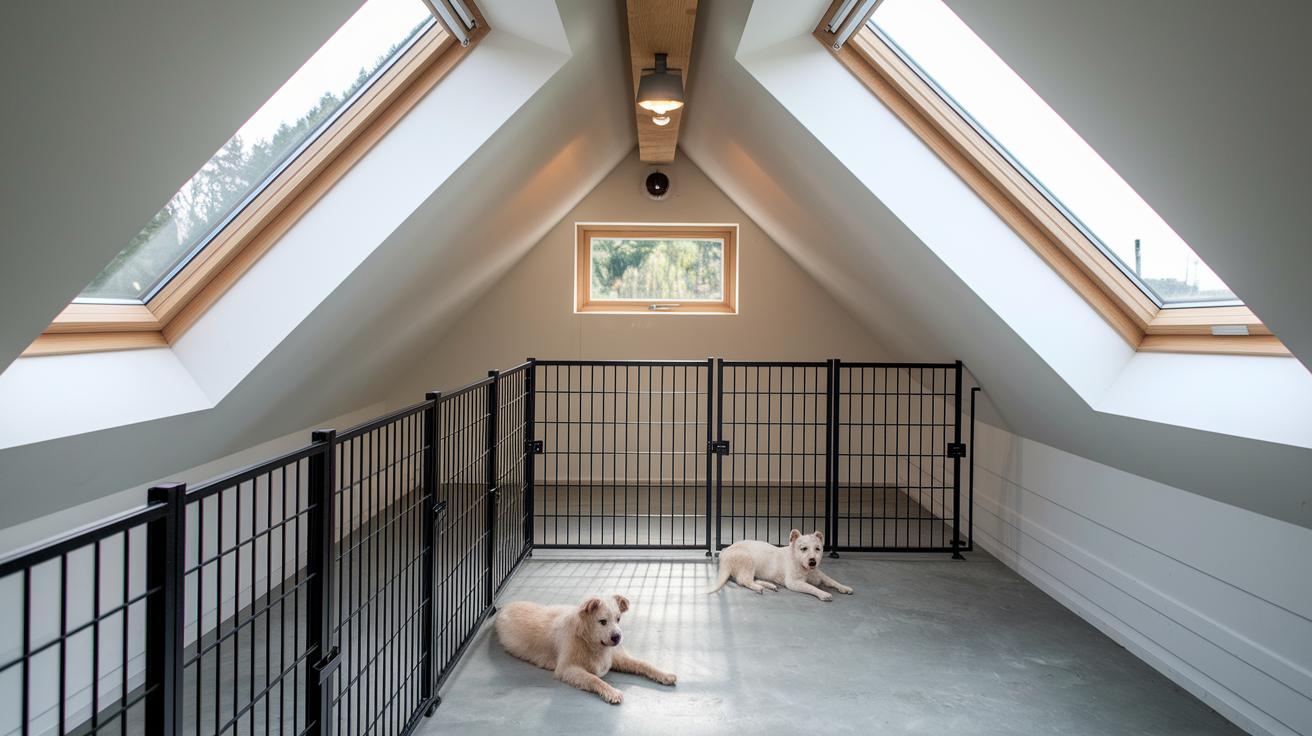
Build your pet space to be a calm retreat. Use sound-absorbing panels and set up zones that cut down on noise. For example, placing panels in busy hallways helps lower the clamor, so pets feel safe and relaxed.
Let natural daylight work its magic. Install clerestory windows and skylights to welcome the changing sunlight throughout the day. Imagine a room that glows gently in the morning and softens into a mellow shade by evening. This shift mimics nature and makes pets feel more in tune with the day.
Pick materials that stand up to regular use. Choose low-porosity surfaces like sealed concrete floors in kennels to keep germs at bay and make cleaning a snap. For outdoor play areas, consider powder-coated steel that remains strong and brightly colored even after lots of play.
Add energy-smart touches by using eco-friendly insulation and a roof designed for solar panels. These features lower energy costs and help maintain a cool, comfortable space for both pets and staff.
By combining smart lighting, noise control, durable materials, and energy-saving ideas, you create a welcoming and efficient pet facility that feels like a true home base for every animal.
Zoning for Recreational and Functional Pet Spaces
Start by planning a clear layout that gives each area its own purpose. Design spots for check-in, treatment, housing, and adoption so pets can move easily from one area to the next. When a pet comes in, a simple path guides them through check-in, care, and out the door safely. This easy-to-follow route helps lower stress for pets and makes work smoother for the team.
Set up a special play area with a durable turf and some light obstacles. Picture a space with gentle slopes and soft barriers where dogs can run and play freely. This fun zone keeps them entertained and helps them stay active.
Design flexible wellness rooms that can change jobs throughout the day. These spaces might be used for grooming, training, or even a quick clinic check. This kind of setup lets you adjust to daily needs easily. For more ideas on changing room setups, visit pet wellness group.
Consider adding social lounges where you and your pet can relax together. A quiet spot with comfy chairs and clear views gives everyone a chance to unwind. This creates a friendly, community feel instead of a typical shelter vibe.
Match each special area with the center’s overall goal. Keeping certain zones distinct but connected makes things clear for new arrivals and eases stress for pets that stay longer. A thoughtful layout not only supports great care but also builds a warm, inviting space for every pet and owner.
- Plan clear paths for smooth movement
- Create flexible areas that change with your needs
- Mix social spaces with active zones for a balanced layout
Safety, Hygiene, and Accessibility in Pet Community Center Design
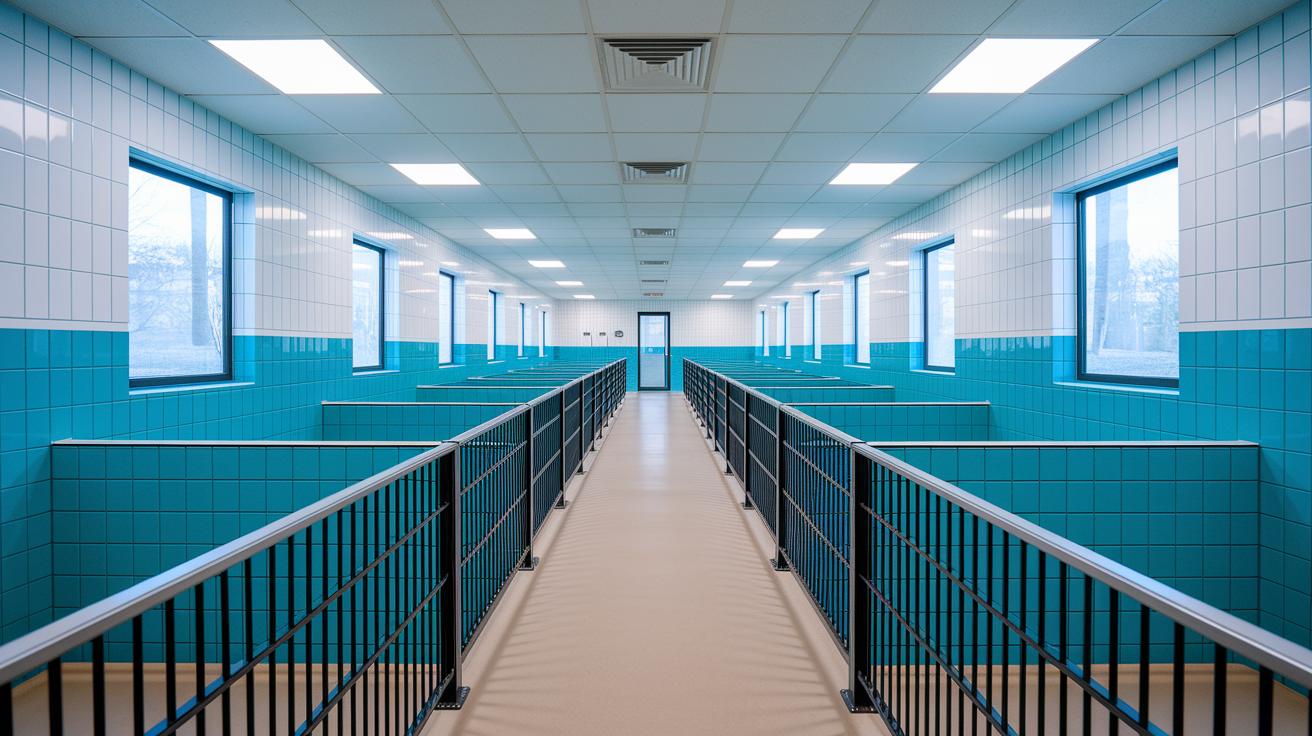
A strong ventilation system is a must. Aim for 12 to 15 air changes per hour in animal areas. This steady flow clears germs and keeps the space fresh for pets and visitors. Sealed drains with sloped floors let you wash down quickly, cutting cleaning time and stopping odors from sticking around.
Choosing non-slip, antimicrobial floors helps prevent slips and stands up to frequent cleanings. Adding visual dividers and sound buffers between kennels gives pets a quiet spot if they need to relax. These details meet safety codes and help reduce stress for your furry friends.
Design with accessibility in mind too. ADA-friendly ramps, clear signs, and sturdy handrails allow every visitor to move safely. Clear markers make it easy to find everything, from treatment spots to rest areas.
Here are some key tips for a safe, clean, and easy-to-navigate design:
- Provide 12 to 15 air changes per hour in animal areas.
- Install sealed drains and sloped floors for quick cleaning.
- Use non-slip, antimicrobial flooring along with visual and sound buffers.
- Include ADA-friendly ramps and clear signage for visitor access.
Smart Technology and Interactive Features for Modern Pet Hubs
Smart tech in pet centers makes everyday tasks easier and more comfortable. Digital check-in kiosks help set appointments and track pet stats in many languages. One center even cut wait times by almost 40% by switching to digital kiosks, giving pets more play time.
Sensors keep an eye on temperature, humidity, and noise. If something changes, staff can quickly adjust conditions to keep pets and visitors safe and comfortable. Bright LED floor markings and wayfinding screens point the way through the center, making it simple and stress-free for new arrivals.
RFID feeding stations know each pet by its unique tag and dish out the right amount of food. This means less work for the staff and every pet gets the perfect portion. Digital displays show real-time updates on pet care so everyone stays in the loop.
All these features work together to create a welcoming and efficient space for pets and their people.
Optimal Design for a Pet Community Center Shines
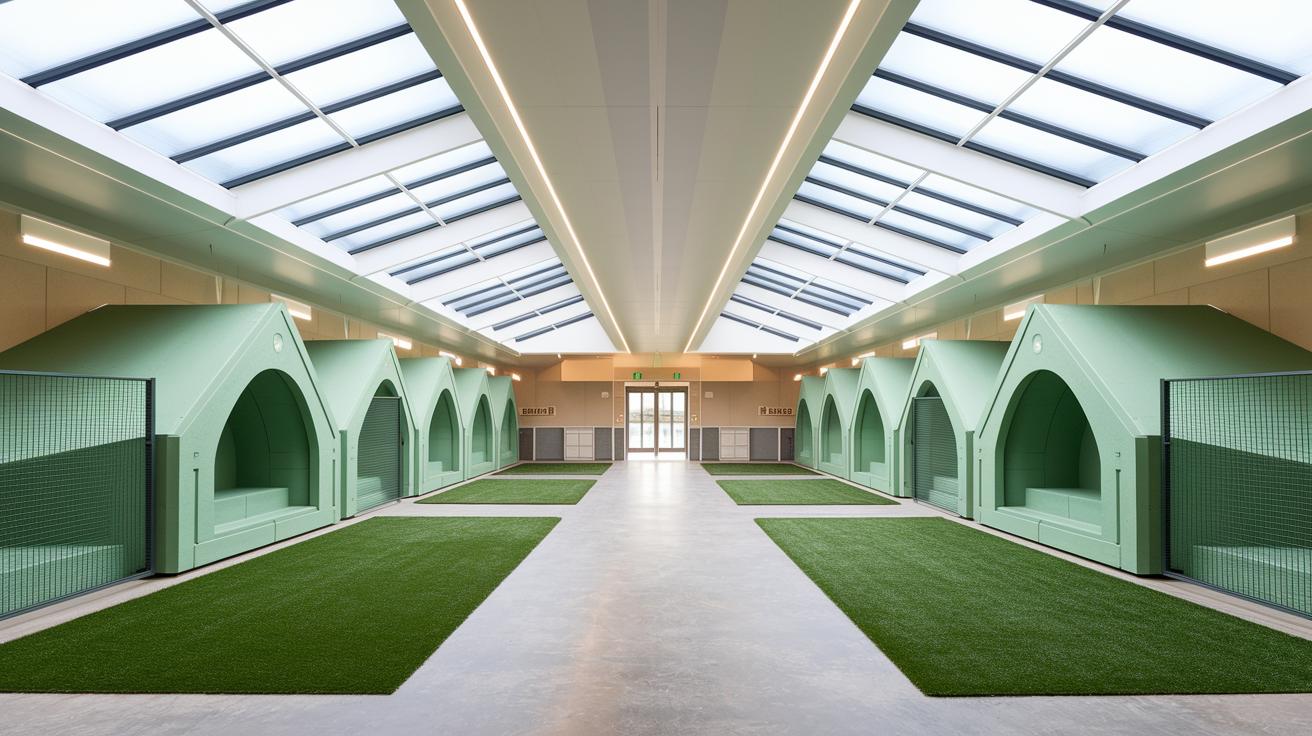
When you look at real examples, you see how much an old shelter can differ from a smart, modern center. One old shelter had cold cinderblock walls and hard concrete floors that made pets feel uneasy. The staff had to deal with separate areas for check-ins, medical care, and housing, making their work more stressful.
Now, picture a facility redesigned around flexible pods and green outdoor courtyards. Natural light fills the space from skylights and high windows, setting a calm day-and-night rhythm that soothes pets. Sound-absorbing barriers are placed in key spots to lower echoes, helping pets feel safer during stressful times.
The new design also helps staff move around more easily. By combining the check-in area with the medical space, workers don’t have to backtrack through the center, which makes their daily routines smoother. The design team also listened to the community through surveys and site visits. They learned that clear signage and open social zones for both pets and visitors make a real difference.
Here are a few key takeaways:
- Old buildings can be refreshed with smart reuse ideas.
- A modular design adds much-needed flexibility.
- Listening to community input leads to useful, practical features.
These examples show that clever, forward-thinking designs create a friendlier setting for pets and help the staff provide better care every day.
Final Words
In the action, we covered key steps from planning and materials to zoning and technology.
We broke down how safety, cleanliness, and smart tech choices create spaces that work for both pets and their caretakers.
Real-life case studies showed how design and community feedback drive practical, effective layouts.
Keep these ideas in mind to achieve an optimal design for a pet community center that brings ease, functionality, and a welcoming feel for pets and their families.