



Imagine a place where pets and their owners enjoy life together. Picture a cozy hub filled with happy barks and soft purrs. It might seem like a big project, but you can create a pet community center with simple steps. Start by connecting with other pet lovers, setting clear goals, and planning your budget. These practical tips will help you turn your vision into a friendly space in your neighborhood.
Essential Steps to Start a Pet Community Center
Research is the key to building a pet community center that truly works for local pet owners. Every year, millions of pets end up in shelters, and many owners worry about running out of food. Using simple community surveys to gather information helps you shape services that fit your neighborhood perfectly.
A clear mission gives your center a strong direction. When you write down your goal, it not only guides your choices but also attracts help from local groups like pet wellness organizations. Decide early if your center will focus on being a shelter, providing foster care, or running an adoption program. This focus makes it easier to meet local rules like licensing, zoning, and pet care guidelines (such as vaccinations and spay/neuter procedures).
- Ask local pet owners what they need using simple surveys.
- Write down a clear mission statement.
- Decide if your center will be a shelter, offer foster care, or facilitate adoptions.
- Create a basic budget that outlines your expected costs.
- Check local rules about licensing and zoning.
- Collect advice and feedback from community members.
When you have solid research and a clear mission, you’re well prepared to plan your budget and use your resources wisely.
Financial and Funding Strategies for Your Pet Community Center

Start smart budgeting by splitting your money between everyday costs like staff, utilities, and supplies, and bigger expenses such as building improvements and equipment updates. Begin with a clear budget that lists every expense. This simple plan shows you where to cut costs or invest more. A quick tip: break your spending into monthly and yearly estimates to keep a close eye on it.
Next, look for ways to get extra funds. Try applying for grants from national animal welfare groups or corporate foundations. Write clear, well-supported proposals that explain your center’s needs. You can also use online fundraising sites where your community can chip in small donations. Hosting fun events like pet adoptions can raise money and build local support at the same time.
It helps to have many sources of income to keep your center steady, even in tough times. Mix grants with community fundraisers and online campaigns. This approach makes your funding more reliable. For example, some centers have used a mix of grants and donor contributions to support big projects and serve many pets. Using different funding channels helps cover your daily costs and larger investments as your center grows.
Navigating Legal Requirements to Start a Pet Community Center
Start by checking your town or city rules and zoning guidelines to see where you can open your pet community center. Make sure the spot you choose is allowed for this type of use or if you need a special conditional-use permit. You should also register the center with local county or city officials and get a business license. This initial step lays out the rules you need to follow when getting your permits.
Next, work on obtaining the required permits. Get ready for health department inspections and secure an occupancy certificate to show that your facility meets safety standards. Keep all your vaccination and spay-neuter records in order to avoid any hold-ups. Planning ahead for permit timelines is smart because it helps you have all your documents ready when inspections and deadlines come up.
Finally, keep your center running safely by scheduling regular safety audits for the pet enclosures. Double-check that your center follows fire safety and ADA (Americans with Disabilities Act) accessibility requirements. An annual review of your records will help you stay updated with permit renewals and any changes in regulations, ensuring your center remains safe and legal.
Selecting and Designing the Perfect Location for a Pet Community Center

Finding the right space is the first step to building a fun pet community center. You need a spot that easily fits different areas like kennels, exam rooms, play zones, and offices. Look for a place with plenty of natural light and enough room to include safe features such as ramps, wide hallways, and non-slip floors. Even a small rented or modular space can work well when you are just starting out. This way, you can create a center that is both welcoming and affordable for pets and their people.
| Area | Size (sq ft) | Key Features | Estimated Cost |
|---|---|---|---|
| Kennels | 300 | Ventilation, easy cleaning | $5,000 |
| Exam Rooms | 150 | Medical setup, privacy | $3,000 |
| Play Areas | 400 | Non-slip floors, open space | $4,500 |
| Offices | 200 | Desk space, storage | $2,500 |
Plan ahead for growth. Start by renting modular spaces and add new rooms one at a time. This approach lets you slowly include upgrades like solar panels and better heating and cooling systems. Step-by-step, you can build a pet community center that grows along with your needs and the needs of your furry friends.
Developing Programs and Services at Your Pet Community Center
Plan programs like training classes, wellness clinics, and adoption events. Write down clear goals to guide your work and choose events that really help local pet owners. For example, a monthly training session might draw over 50 pet parents. Keep track of attendance and note which sessions pet owners enjoy the most.
Set up a calendar for your events. Offer programs at different times during the week so more people can join, mixing weekday and weekend events to fit busy schedules. Regular classes, wellness clinics, and special adoption days keep your center lively and useful for the community.
Review how well your programs work by using clear goals. Count attendance, gather feedback, and jot down your own observations during each event. Compare these results with your original plan to see what’s working and what can be improved. Team up with local shelters and vets for extra insights and support.
Listen closely to what pet owners share about their experiences. Ask for ideas after each event and watch reactions during each session. Use these tips to adjust your offerings so your center stays welcoming, fun, and helpful for pets and their families.
Building Partnerships and Volunteer Integration for a Pet Community Center
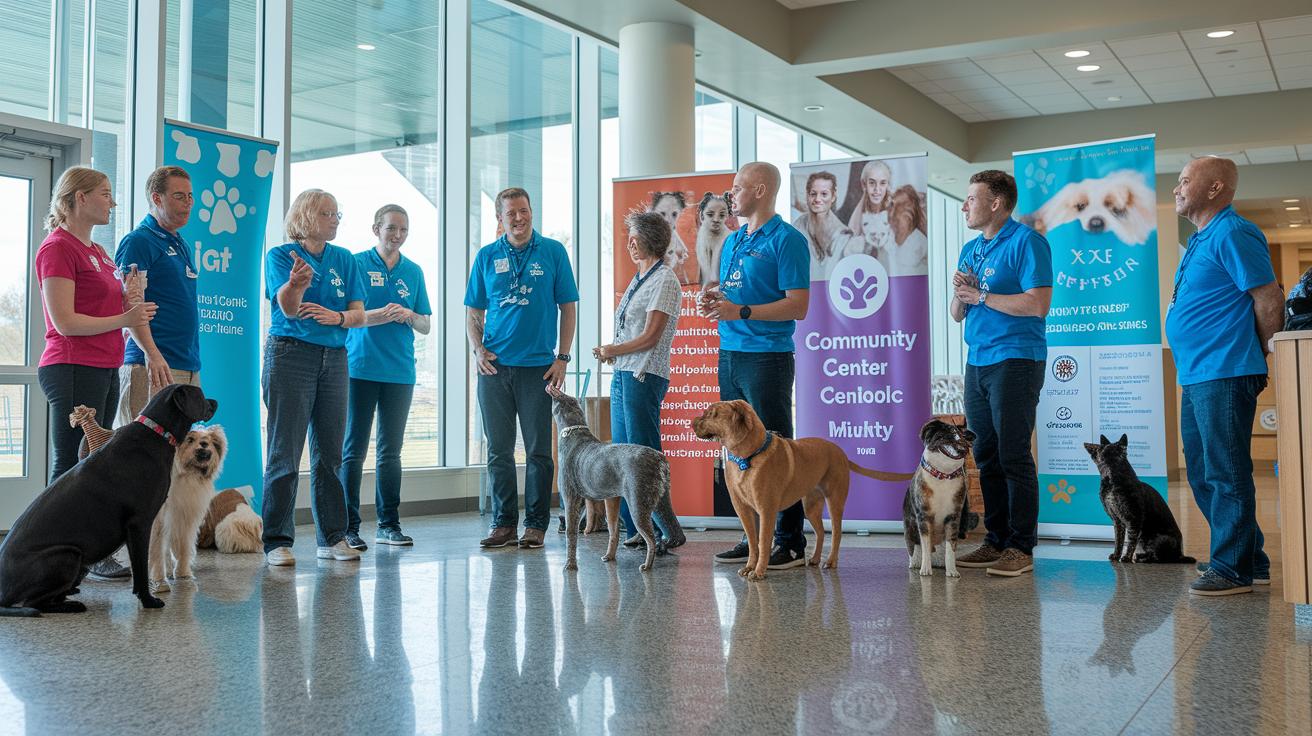
When you set up a pet community center, start by talking to local shelters, rescues, pet stores, and vet offices. These groups bring skills and resources that can help your center thrive. Look for partners who are ready to work together and share ideas for creating a warm, welcoming space for pets and their families.
- Event staff: They plan and run events that are fun and engaging.
- Social-media coordinators: They share updates and successes online.
- Facility maintenance volunteers: They keep the center clean, safe, and inviting.
- Outreach ambassadors: They connect with local pet owners and spread the word about programs.
- Program assistants: They help set up training sessions and support wellness activities.
Build a strong team by forming a board of directors with clear roles like president, treasurer, and secretary. Hold regular training sessions for volunteers to boost their skills and improve communication. This organized approach helps create a friendly and collaborative atmosphere at your center.
Marketing and Outreach to Grow Your Pet Community Center
Choose the best ways to share your news. A simple website, active social media pages, printed flyers, and email newsletters all help you reach pet owners. With these tools, you can share event details, center updates, and helpful pet care tips without flooding your audience with information. Each method builds trust and makes your center feel welcoming.
Plan fun events to spark interest. Organize adoption fairs, wellness days, or local fundraisers that bring pet families together. These gatherings create buzz and give neighbors a chance to see your center in action. Clear messages and attractive designs help catch the eye of those who might not normally visit, while offering a warm introduction to your friendly team.
Take care with your digital posts to connect with more pet owners online. Use photos and short videos to show the heart of your center. Keep updates regular to encourage online chats and comments. You might also join local online groups and seek tips on trusted pet forums to boost your digital reach. This approach not only informs but also builds a loyal online community.
After each event, send thank-you emails and include a short survey for feedback. This simple step lets you learn what pet owners enjoyed and how you can improve. Keeping these conversations friendly and open helps your center grow and continue serving the community with joy.
Operational Management and Sustainability of a Pet Community Center

Every day starts with a clear schedule that helps everything run smoothly. Set specific times for feeding pets, cleaning areas, and restocking supplies. Write a weekly plan for all tasks so everyone knows exactly what to do. This routine builds a calm space and lowers stress for both pets and staff, making the center a happier place.
Use an inventory system to track your supplies. Count food, medications, cleaning items, and equipment every week to prevent shortages. Keep an up-to-date checklist as items are used or replaced. This simple system helps you avoid last-minute rushes and keeps the center running joyfully.
Plan ahead for emergencies. Set up clear first-aid steps for animals and safe evacuation routes. Train your team in basic disaster readiness so everyone knows their role if something unexpected happens. Regular drills keep everyone alert and ready to protect pets and staff.
Take care of your budget too. Review the monthly budget and prepare for audits to keep track of expenses and big purchases. Use simple financial controls and clear records to catch problems early. Managing money carefully strengthens your center, letting you focus on the joy of caring for pets safely and sustainably.
Incorporating Technology and Safety Standards in a Pet Community Center
Adding modern digital tools can make running your pet community center easier for everyone. Start by using a mobile booking tool and an online reservation system so pet owners can sign up quickly for classes, clinics, or adoption events. These tools help simplify scheduling and reduce waiting times. They even send handy reminders, like a quick text about an upcoming grooming session, to keep pet parents in the loop.
Next, boost your center's safety with smart monitoring devices. Use simple sensors that track the temperature, humidity, and crowd levels in different areas. This way, you ensure that all pets stay comfy and safe. You might also consider using RFID tags (small chips that store data) for secure entry and adding surveillance cameras to keep an eye on activities. These smart tools let your team respond quickly if any issues come up.
Finally, protect all your digital information by encrypting pet and client records and limiting who can access the systems. Regular safety checks and audits help catch any potential problems early. Keep updated with the latest advances to make sure your center remains secure and welcoming for both pets and visitors.
Final Words
in the action, this guide covered key steps from research and mission planning to legal requirements, location scouting, program development, and building partnerships.
Each section provided clear, practical tips on setting up operations, marketing, and even integrating technology. The step-by-step overview shows how to start a pet community center while keeping pet safety and community support in check.
Stay upbeat and keep moving forward with your plan for a bright, welcoming space for pets and pet lovers alike.
FAQ
How to start a pet community center with no money?
Starting a pet community center with no money means leveraging community partnerships, using volunteer help, seeking donations, and applying for local grants to cover initial costs.
How to start an animal rescue with no money?
Starting an animal rescue with no money means building relationships with local shelters, recruiting dedicated volunteers, and tapping into grant opportunities and community donations for vital expenses.
Grants to start an animal rescue?
Grants to start an animal rescue provide needed funds from national animal welfare organizations and corporate foundations. Research available grants, prepare clear proposals, and highlight your rescue’s impact.
How to start a cat sanctuary with no money?
Starting a cat sanctuary with no money means beginning small with a clear mission, relying on community support, using volunteer help, and researching grants aimed at feline care.
What are the 501c3 animal rescue requirements?
The 501c3 animal rescue requirements include establishing a nonprofit board, drafting mission statements and bylaws, filing necessary incorporation documents, and applying to the IRS for tax-exempt status.
Do I need a license to start an animal rescue?
Needing a license for an animal rescue depends on your local regulations. Check cutting-edge local licensing, zoning, and facility guidelines to ensure your rescue meets all legal requirements.
How much does it cost to start an animal rescue?
The cost to start an animal rescue varies with location and scope. Expenses generally include facility fees, licensing, supplies, and ongoing operational costs, which can be reduced by donations and grants.
How to start a 501c3 animal rescue?
Starting a 501c3 animal rescue involves forming a board of directors, drafting mission and bylaws, filing incorporation papers, and applying for tax-exempt status with the IRS while following state rules.
How do pet adoption centers make money?
Pet adoption centers make money through adoption fees, fundraising events, grants, and donations, and may also earn revenue by selling pet merchandise and obtaining sponsorships.
Which pet business is most profitable?
The most profitable pet business often includes pet stores, grooming services, or pet boarding facilities, owing to constant customer demand for recurring services and quality care.
Do you need a license to have an animal sanctuary?
Operating an animal sanctuary may require a license based on local regulations. It is important to contact your local regulatory office to obtain the appropriate permits and meet safety standards.
What is the 3-3-3 rule for shelter pets?
The 3-3-3 rule for shelter pets means allowing three months for adjustment, scheduling three days of separate introductions with potential adopters, and planning for three weeks of routine health checks.