



Have you noticed your dog tugging hard on the leash? It can be really frustrating when walks turn into a mess. In this post, we share five simple leash training tips that help you enjoy calm, happy walks. You’ll learn easy techniques like calling your dog’s name and giving a treat at just the right time. These steps build trust and control so that every walk becomes a better experience for both you and your furry friend.
Key Steps in Mastering Leash Training Techniques for Dogs
Begin with name recognition. Call your dog's name in a clear, cheerful tone so they understand it is their name. For example, say "Max, come!" and offer praise or a treat. This helps your pet link their name to something positive.
Next, work on recall while your dog is on the leash. Use a steady cue like "Let's go!" so your dog knows to come back even when distractions are around. When they return, give a treat near your knee to mark their success.
When your dog pulls, stop walking calmly. Wait until the leash is slack before you move again. This simple pause shows your dog that pulling stops progress.
Increase challenges gradually by adding distractions. If you're near other dogs, people, or even squirrels, use a tasty treat to guide your pet back to a calm pace. This helps them focus amid busy surroundings.
Teach your dog to take a sniff break on command. Let them explore a bit and then gently guide them back with a treat when they return. This makes training fun and helps them learn to reorient.
Finally, use clear, consistent cues in ever-changing environments. Whether exiting a car or navigating tight spaces, remind your dog to come back using familiar commands. This steady approach keeps transitions smooth.
Stick to short, regular sessions that match your dog's exercise needs. Consistency and positive rewards build trust, making every walk a pleasant routine for both of you.
Utilizing Positive Reinforcement in Walking Pets
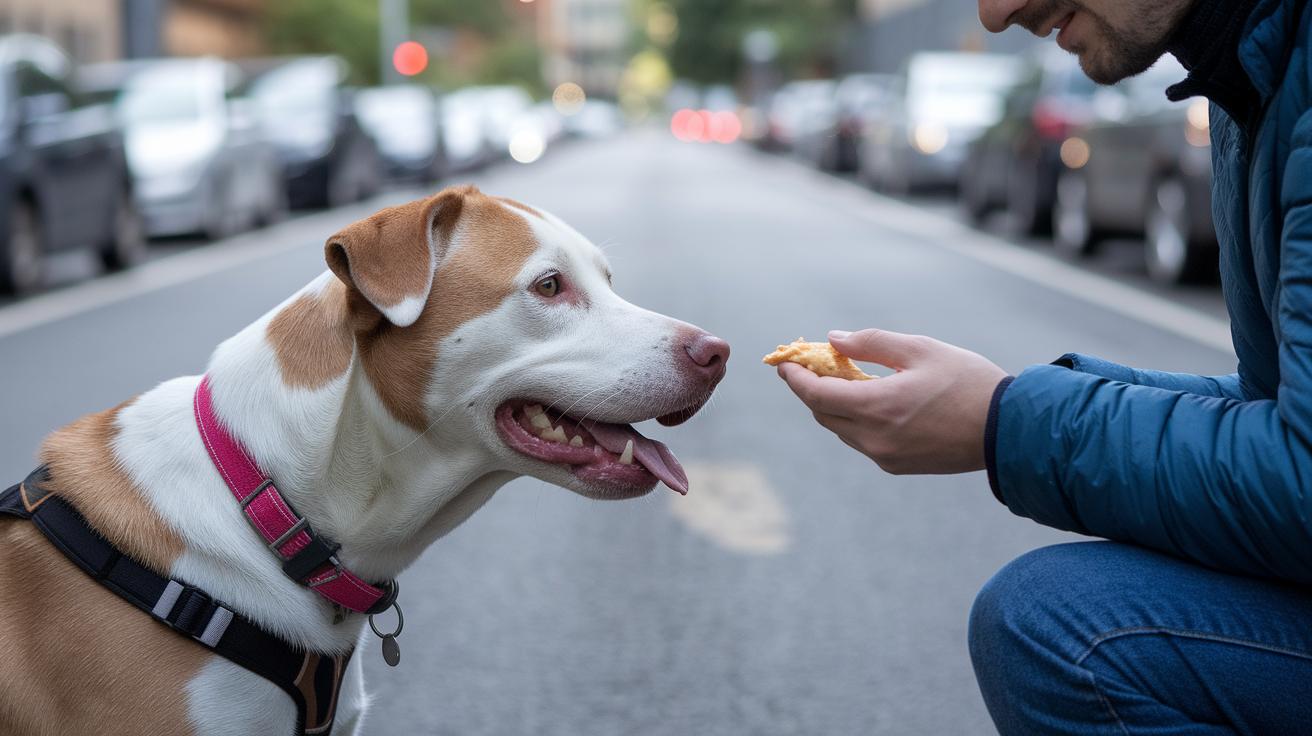
If your dog gets distracted by things like a noisy street, give a treat as soon as it looks back at you. For example, if your dog stops chasing a sound and glances your way, offer a small piece of cooked chicken right away. This helps your pet know that paying attention to you brings rewards.
Timing is important. Give the treat the moment your dog starts to refocus so it understands that attention means a reward.
Try adding a simple sniff break. When your dog shows interest in a new scent, say "sniff time." Once your dog checks out the smell and then comes back to you, give it a reward. This teaches your pet that a little sniff is fine as long as it keeps coming back to you.
For a focused walk, reward your dog for staying close by your side. Place a treat near your knee as your dog walks in heel position. With practice, your dog will learn that a neat, focused walk means fun, treats, and praise.
Anti-Pull Walk Strategies for Dogs on Leash
If your dog starts to pull, stop walking right away. Wait until the leash goes slack before moving on. For example, if your dog tugs hard and the leash tightens, pause and let the slack return. Then, give them a kind word. This shows your dog that pulling means no progress.
When your dog pulls ahead, try saying "Turn" in a cheerful tone. Use that word as a gentle cue to bring them back to your side. As soon as your dog returns close, offer a small treat. This clear reward tells them that staying by your side is a good thing.
You can also try using a light, calm pressure on the leash to correct pulling. Instead of using harsh corrections, apply a small, steady grip, then release it when your dog moves back into the right spot. This method helps your dog learn without causing stress.
If pulling still happens, consider using humane gear like a gentle leader or a front-clip harness. These tools give you better control and make it easier to guide your dog. Adjust your methods based on your dog's energy and response, and soon you may find walks to be more relaxed and enjoyable for both of you.
Choosing the Right Gear for Effective Leash Training Techniques for Dogs

Choosing the right equipment makes leash training easier and keeps your walks fun. A gentle leader is a humane option that gives you firm yet kind control. One pet owner shared, "When Buddy pulled, his gentle leader helped him learn to walk calmly beside me."
Front-clip harnesses attach the leash at your dog's chest. This naturally guides your dog away from pulling and works well for energetic pups who need a bit of extra direction.
Hands-free leashes free up your hands so you can focus on training cues without juggling a leash. They work great for long walks or when your dog gets really excited.
When you try new gear, start in a quiet area with few distractions. Reward your dog with treats to show that using the gear properly leads to fun walks. The right equipment helps both you and your dog stay comfortable and make steady progress.
Troubleshooting Common Challenges During Leash Training Techniques for Dogs
When your dog sees something eye-catching, such as a street performer or a bouncing ball, move to a quieter area and give them a short timeout instead of just stopping the walk. Use a clear word like "settle" to tell your dog to calm down until they relax.
- Move your dog away from noisy, exciting spots.
- Give a brief timeout and use your chosen word to help them focus.
- Only reward your dog when they have become calm.
- For very strong reactions, practice in a quieter area before going back to busier places.
This method helps tackle challenges that go beyond simple anti-pull techniques and rewards.
Adapting Leash Training Techniques for Dogs by Size and Temperament
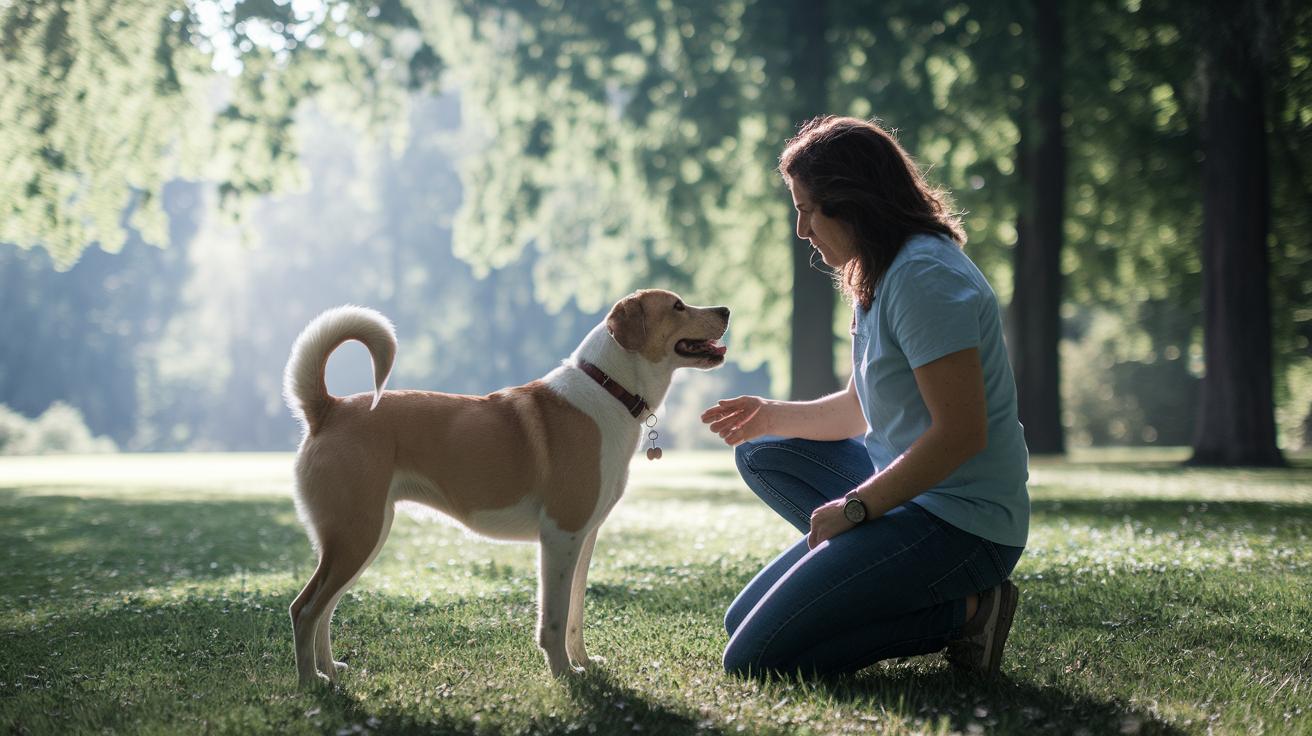
Every dog is unique. A small pup might do best with short and fun training sessions, while a larger dog usually needs longer walks with plenty of room to roam. Adjust your training session's length and pace based on your dog's size. For instance, a toy breed could start with a two-minute warm-up, and a bigger breed might need a five-minute warm-up.
Match the rewards to your dog's personality. High-energy dogs may need extra treats or a special toy to stay focused, whereas calmer dogs can be motivated with kind words. Try practicing focus drills slowly. Begin in a quiet spot and give a small treat when your dog quickly looks back at you. It’s similar to teaching someone to maintain a steady pace in a race.
Make sure your guidance fits your dog's nature. A stubborn dog might need clear cues like "Let's go!" along with a treat when they obey. A sensitive puppy, however, will likely do better with a gentler tone and some extra praise.
As your dog gets comfortable with training, slowly increase the distractions. Start in a low-stress area, then move on to busier places. This step-by-step practice helps build a routine that perfectly suits your dog's unique style.
Consistency and Progress Tracking in Leash Training Techniques for Dogs
Stick to a regular walking routine to help your dog know what to expect. Instead of just copying training tips, start writing down your own progress. For example, note the time you start your walk, how long it lasts, and any changes in your dog's behavior, like "Start: 7:00 AM, 20 minutes, less pulling."
Using a training log as part of your daily routine helps you see even small improvements, such as fewer pulls or a quicker response when calling your dog. These notes tell you when it might be time to introduce a new command.
Follow these steps:
- Set a regular walking schedule.
- Record each walk with the time, duration, and your dog's behavior.
- Reward your dog when it stays calm.
- Add new commands once current skills are well practiced.
Final Words
In the action, this guide broke down key steps like name recognition and response to leash pressure to help build solid leash training techniques for dogs. It pointed out the value of positive reinforcement, clear anti-pull strategies, and the right gear for safe, engaging walks. Tactics for troubleshooting and adapting methods to your dog’s size and temperament were also a focus. Consistent practice and progress tracking can truly boost your pet’s confidence. Keep using these tips, and happy walks ahead!
FAQ
Leash training techniques for dogs YouTube
Leash training techniques for dogs YouTube refers to video guides made by experts. These videos often show step-by-step methods using positive rewards and consistent commands to help your dog learn proper leash manners.
What are the best leash training techniques for dogs and the best way to leash train my dog?
The best leash training techniques include using clear cues, rewarding good behavior with treats, and pausing when your dog pulls. This approach builds focus and polite walking habits for your dog on a leash.
How do I leash train an adult dog and stop pulling on the leash?
Leash training an adult dog involves stopping immediately when pulling occurs and waiting for slack in the leash. Reward when your dog walks calmly and use a consistent cue to encourage steady, controlled walking.
How do I leash train a puppy at home?
Leash training a puppy at home starts with short, calm sessions indoors. Offer treats for calm walking, gradually introduce outdoor distractions, and maintain a friendly, consistent tone to build your puppy’s comfort on the leash.
How do I train an older dog to walk on a leash without pulling?
Training an older dog requires a gentle, patient approach with plenty of rewards. Use a calm voice and take slower steps, stopping whenever pulling occurs. This method helps your older dog adjust to walking on a leash.
How can I stop leash pulling in 5 minutes?
To stop leash pulling quickly, halt your walk immediately when your dog pulls. Wait until the leash becomes slack and then resume walking with praise for steady behavior. This fast response helps your dog learn to walk calmly.
What is the 10 10 10 rule for puppy training?
The 10 10 10 rule divides training into three segments: a warm-up, a focused learning period, and a fun playtime session. This method makes training sessions shorter and more engaging for puppies.
What is the 3 second rule for dogs?
The 3 second rule encourages your dog to move forward within three seconds of a cue. If your dog hesitates, pause the walk until they comply. This practice builds quick recall and steady walking skills.