

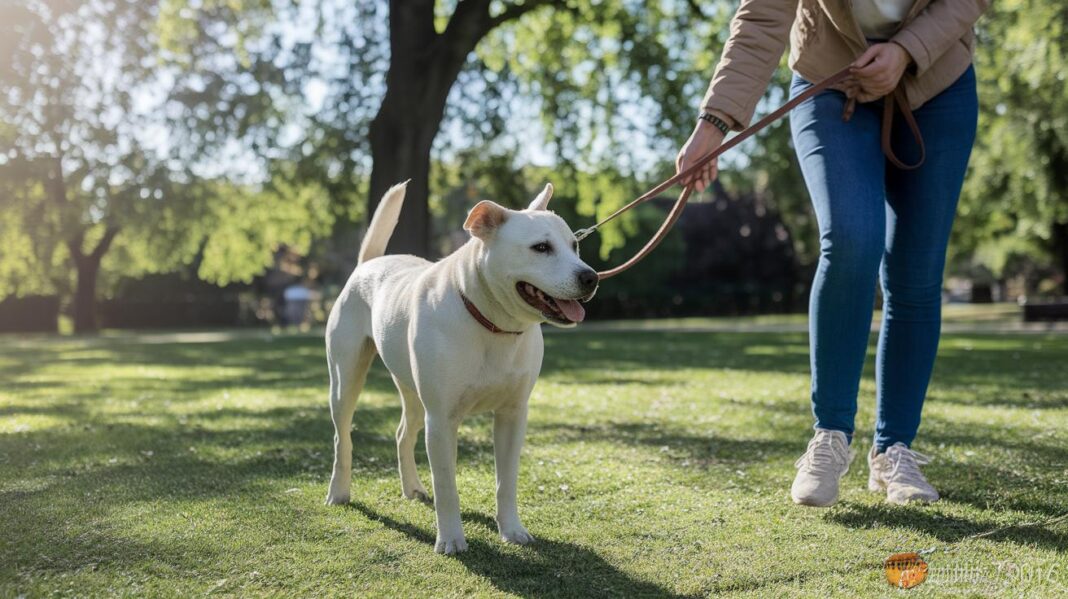

Have you ever thought that a different dog leash might improve your walks and training sessions? Even a small design change can make things more fun and less stressful for both you and your pet.
This guide looks at various leashes. Some leashes, like slip leads (a simple loop that goes around your dog’s neck), give you easy control. Others pair a martingale collar (a gentle collar that tightens a bit when your pet pulls) with a leash to add extra comfort.
We’ll explain how each style works so you can choose the best one for your pup. This way, every walk feels safer and more enjoyable.
Compare and Choose the Best Dog Training Leash for Your Needs
- Slip lead: This light, flexible rope uses friction to gently guide your dog's head. It works well for basic obedience training or dog shows.
- Martingale collar leash combo: This leash has a special design with built-in safety stops that keep the collar from slipping. It's a smart choice for sideneck walkers who need extra control.
- EZ Trainer head halter: Made from soft, padded nylon, this halter offers a gentle hold that spreads pressure evenly. It helps make training sessions more comfortable for your dog.
- Snap lead: Crafted with sturdy 1-inch nylon and a zinc alloy snap, this leash is a versatile option. It works well with both harnesses and collars.
- Traffic lead: With 1.5 feet of flat nylon and a quick-release snap, this leash gives you close control in busy spaces.
- Check cord: This braided 3/8-inch rope comes in lengths from 10 to 30 feet. It is great for recall exercises or yard drills, keeping a safe distance while training.
- Flexi retractable leash: Offering 26 feet of reflective tape or cable, this leash has an instant-lock brake. It gives your dog extra freedom while staying secure.
- Long line: Available in 20 to 30 feet of braided nylon or biothane, this leash is perfect for practicing recalls and longer yard drills.
- Pull-tab deterrent leash: Made with reinforced nylon and a neoprene-padded handle for a better grip, this leash is designed to discourage pulling during walks.
- Standard 6 ft walking leash: Built from durable cotton and nylon webbing with an adjustable handle, this leash is a reliable option for your everyday walks.
dog training leash: Enjoy Control and Comfort
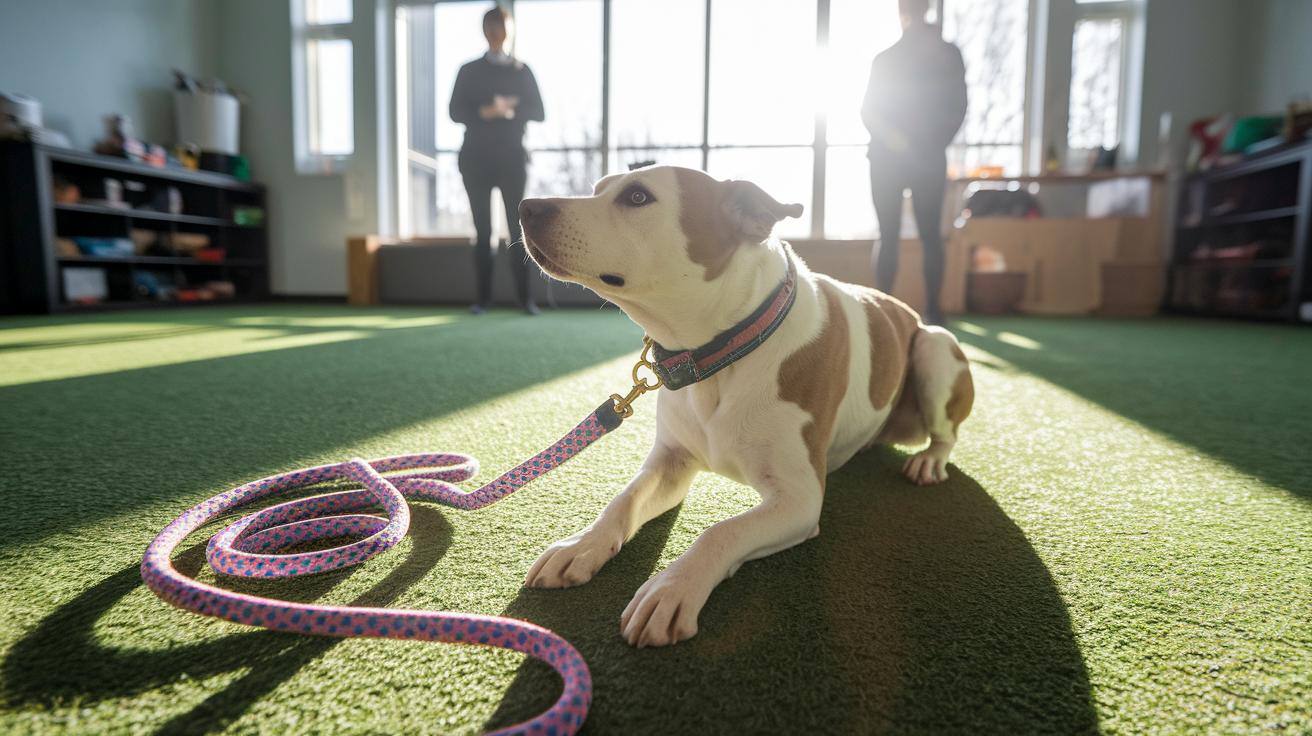
This guide explains the small design details that can change the way your dog learns. It goes beyond basic features to show why slight differences matter.
Slip leads and martingale collars now come with different rope sizes and materials. A small change in thickness can affect how the rope feels and works. Many models include a safety stop that absorbs sudden pulls to keep your dog safe and comfy.
The EZ Trainer head halter now has a wider, padded noseband that spreads pressure evenly. It also includes secure buckles that lower the risk of accidental release. Its design helps guide your dog with clear directional cues.
Retractable leashes have improved too. Tape-based versions are light and stop quickly, while steel cord types are built for durability. Both use locking mechanisms and have reflective surfaces to boost control and visibility in low light.
Extra long yard leads, such as long lines and check cords, now feature a refined rope weave. Changes in weight and abrasion resistance help them last longer, and added visibility markers make them easier to use in open spaces.
Pull-tab and standard leashes now use reinforced webbing. Upgraded stitching, cushioned handles to ease wrist strain, and stronger hardware deliver extra everyday safety.
dog training leash: Enjoy Control and Comfort
Pick a training leash that works well every day. Go for a model made of strong nylon or leather that can handle the stress of regular training. A dual-grip handle lets you switch between a tight hold and a more relaxed grip, which helps save your wrist. Quick-release and locking features mean you can adjust the leash fast if your dog makes a sudden move.
This leash also keeps you safe. It has reflective strips for low-light walks and breakaway clips on head halters to help prevent injuries if your dog gets tangled.
Choose the right leash length for your walks:
- Short leads (1–2 ft) for tight urban control.
- Medium leads (4–6 ft) for everyday walks.
- Long lines (15–30 ft) for recall drills and off-leash training.
Essential Techniques and No-Pull Walk Guidance with Your Training Leash
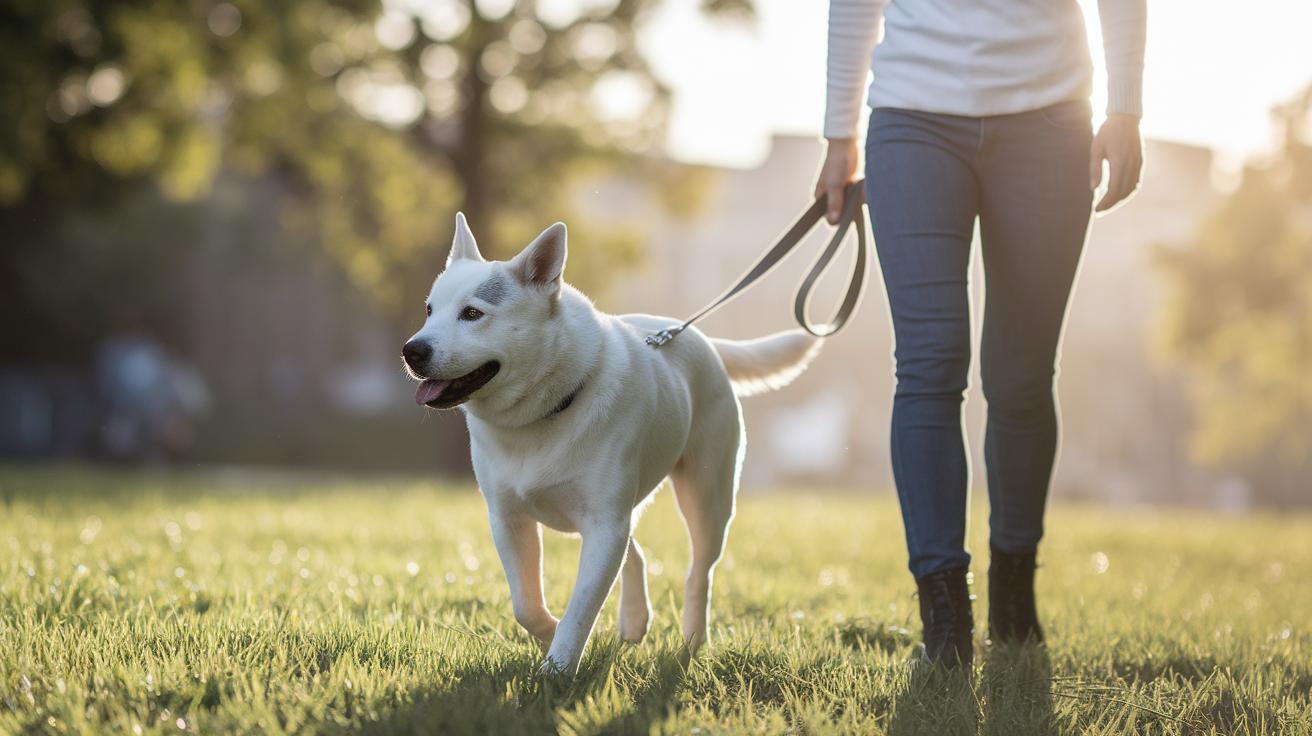
Use your training leash as a gentle guide. It helps you give commands like "sit" and "heel" while keeping your dog calm and focused. Pair a light pressure with a treat or kind words so your dog understands that good behavior brings rewards.
When your dog tugs on the leash, stop walking and stand still. Instead of a hard pull or jerk, simply say "Wait" and pause until your dog settles down. This shows your pet that pulling means progress stops.
Here are some easy steps to help your dog walk better:
- Keep the leash tension soft and steady.
- Reward your dog with treats or praise when it listens.
- Practice with short leash drills for focus and use a longer leash for controlled play.
- Watch your dog closely and adjust your approach as needed.
By using these methods every day, you can help your dog learn to walk calmly and happily.
Specialty Dog Training Leashes and Innovative Control Solutions
Hands-free leash systems, like waist-strap belts, help busy pet owners jog or run while keeping their dog safe and under control. Imagine heading out for a run and feeling both in sync, with a belt that gives you freedom and steady control.
For city life, budget-friendly options such as snap leads and short, 1.5-foot traffic leads work great. These leads help you manage your pup easily without stressing your wallet.
A gentle leader, or head halter, spreads pressure around your dog's muzzle and neck. This smart design guides your pet without choking, making training sessions calm and focused.
New smart leash models come with cool features you might appreciate. Some have GPS tracking (a tool that shows your dog's location) and tension sensors that alert you if your pet is pulling too hard. These upgrades boost safety and give extra feedback during training.
Eco-friendly leashes made from recycled materials are another great choice. They combine lasting strength with a planet-friendly approach so you can train responsibly.
- Hands-free options for active control.
- Smart leashes with modern sensors.
- Green choices for sustainable training.
- Budget-friendly leads perfect for urban settings.
Maintenance, Safety Checks, and Care for Your Dog Training Leash
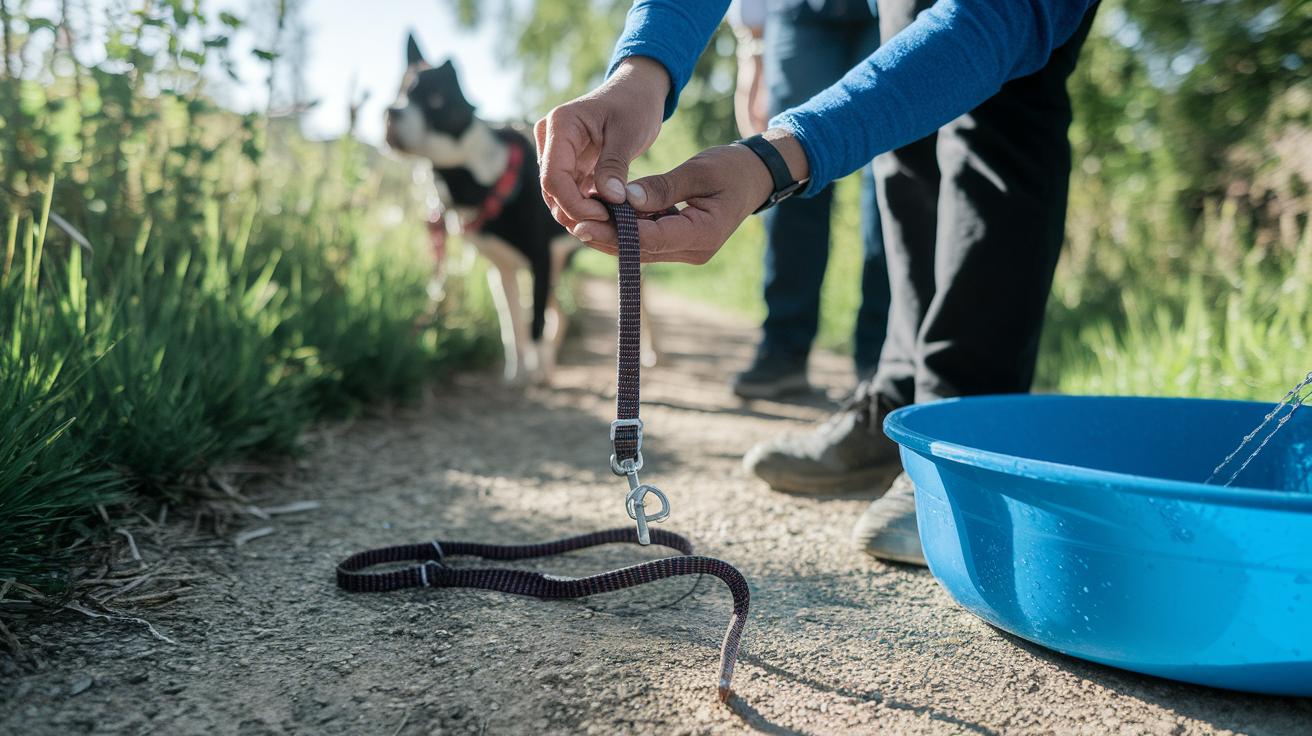
When you're training your dog, a good leash makes all the difference. Check your leash regularly to catch any issues early. Look over metal parts like snaps, buckles, and clips to see if there's any rust or cracking. For nylon or rope leashes, a gentle wash with mild detergent followed by an air dry helps keep mildew away. If you have a leather leash, remember to condition it twice a year so it stays soft and strong.
Before heading out, do a quick check of your gear. Make sure every snap hook locks tightly and opens without any fuss. If you spot any small frays in the stitching, fix them with nylon thread or replace that section. If any part of the leash has more than 10% wear from heavy use, it’s best to swap it out for a new one.
- Check all metal parts for signs of corrosion.
- Make sure the stitching is secure and the handle feels safe.
- Condition leather leashes every six months.
By following these simple steps, you keep your training leash in top shape. This quick routine not only ensures your safety but also helps you feel confident and in control during every walk with your dog.
Final Words
In the action of choosing the right dog training leash, we broke down key options and highlighted their features. We compared models like slip leads and martingale combos and shared a clear buying guide. You saw handy tips on proper training techniques, safety checks, and maintenance advice. Each section offered practical insight so you feel better equipped to decide on gear that fits your training style. Enjoy the confidence of safe, effective walks with your reliable dog training leash and keep your pet happy and secure.
FAQ
What factors should I consider when selecting a dog training leash for different sizes and pulling behavior?
The ideal leash takes into account your dog’s size, reinforcing materials like durable Biothane or nylon, design features that improve control, comfortable handles, and specialized options for puppies or pullers.
What is the 10 10 10 rule for puppy training?
The 10 10 10 rule means training sessions should last 10 minutes, occur 10 times a day, and be repeated over a 10-day period to help build a puppy’s good habits.
What is the #1 trick to stop your dog from pulling on the leash?
The top trick involves stopping your walk immediately when your dog pulls, then resuming only when the leash slackens, teaching the dog that pulling means no forward progress.
What is the fastest way to leash train a dog?
The fastest method is to reward loose-leash walking while stopping any movement when the dog pulls, using consistent cues and positive reinforcement to speed learning.
What are the 3 C’s of dog training?
The 3 C’s stand for consistency, clarity, and communication. These elements help reinforce commands clearly and build a strong understanding with your dog during training.
What are some popular Ruffwear training leashes and collars?
Ruffwear’s lineup includes the Front Range leash, Confluence collar, Switchbak leash, and Hitch Hiker leash, each offering robust construction and innovative design for active training sessions.
What is a Biothane dog leash and why use it?
A Biothane dog leash is made from a tough, waterproof material that cleans easily and withstands heavy use, making it a great choice for active dogs and outdoor training sessions.